Do you like the content we create across our social channels and online properties? We also provide content creation and consulting services. Contact us to get the conversation started.
Inside Toronto's run as a FIFA World Cup host city
Details
Written by: Meres J. Weche
For six weeks, Toronto did something few cities ever really get to do: It hosted the entire world. Culture Shox Media spent the tournament at Fort York and The Bentway, watching the City of Toronto's communications and events teams run a 40-day operation that welcomed fans from every corner of the world while giving the city's own diverse communities a stage as big as the tournament itself.
For six weeks this summer, Toronto did something few cities ever get the chance to do. It hosted the world. Spain capped an outstanding tournament today with a hard-fought 1-0 extra-time win over Argentina, Ferran Torres scoring the winner in the 106th minute after Emiliano Martinez turned in a record-setting night in goal, a final worthy of everything that led up to it.
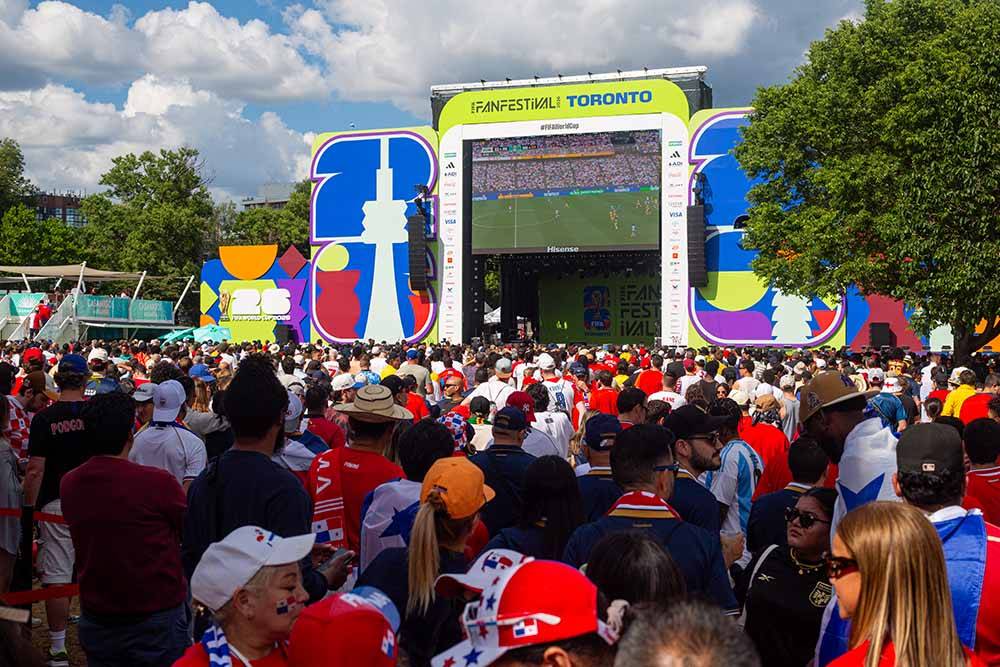
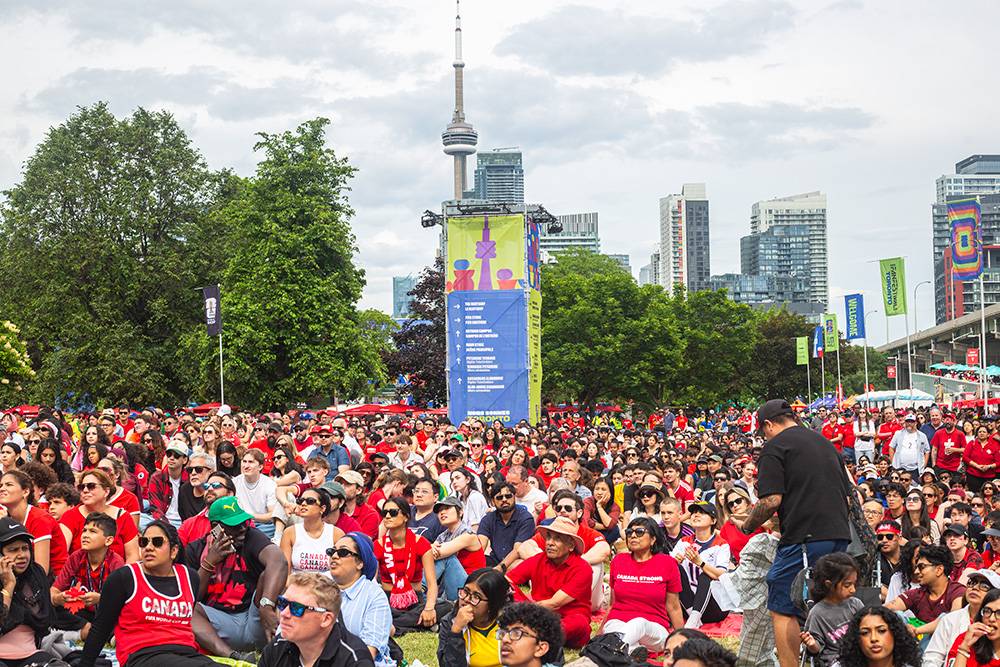
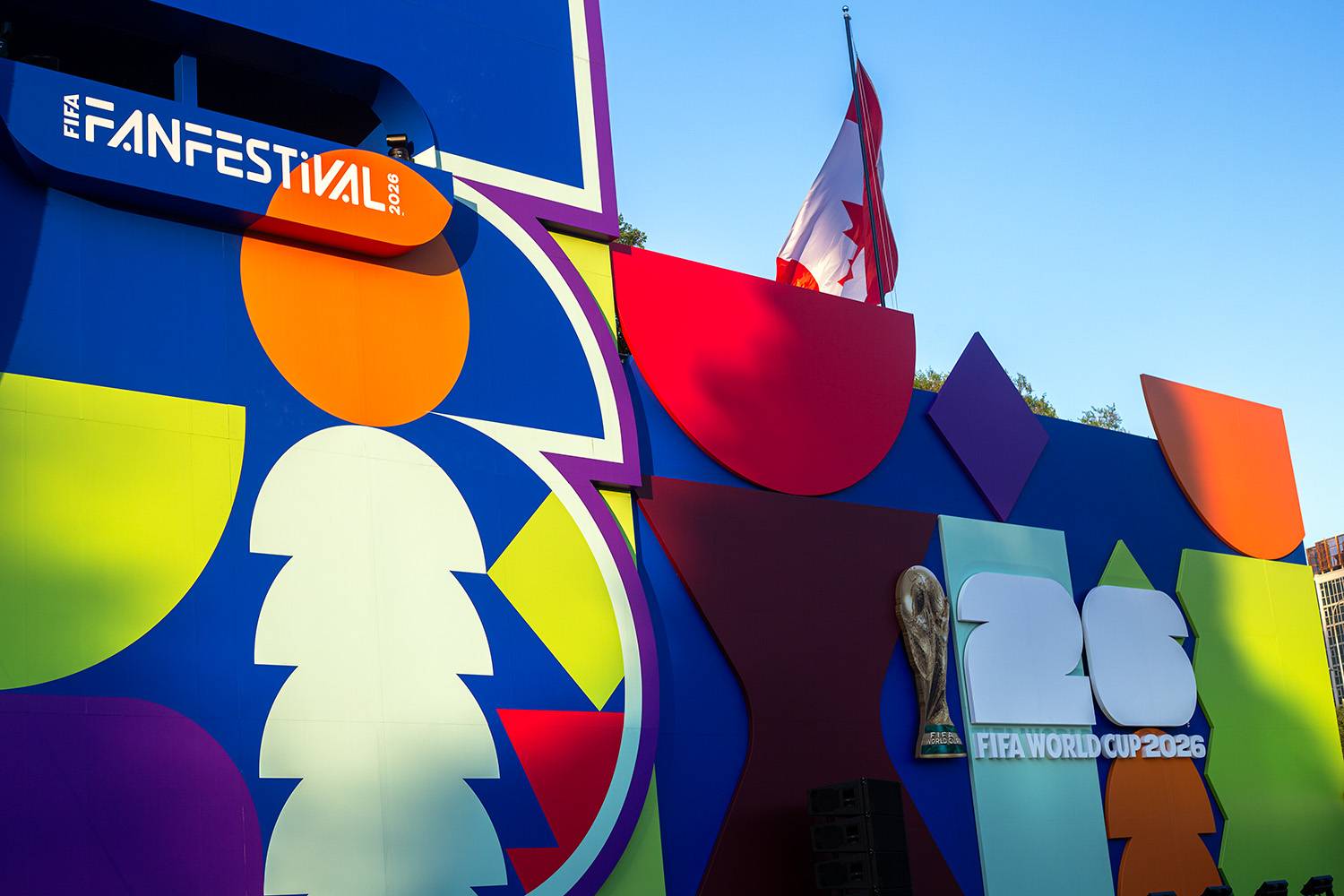
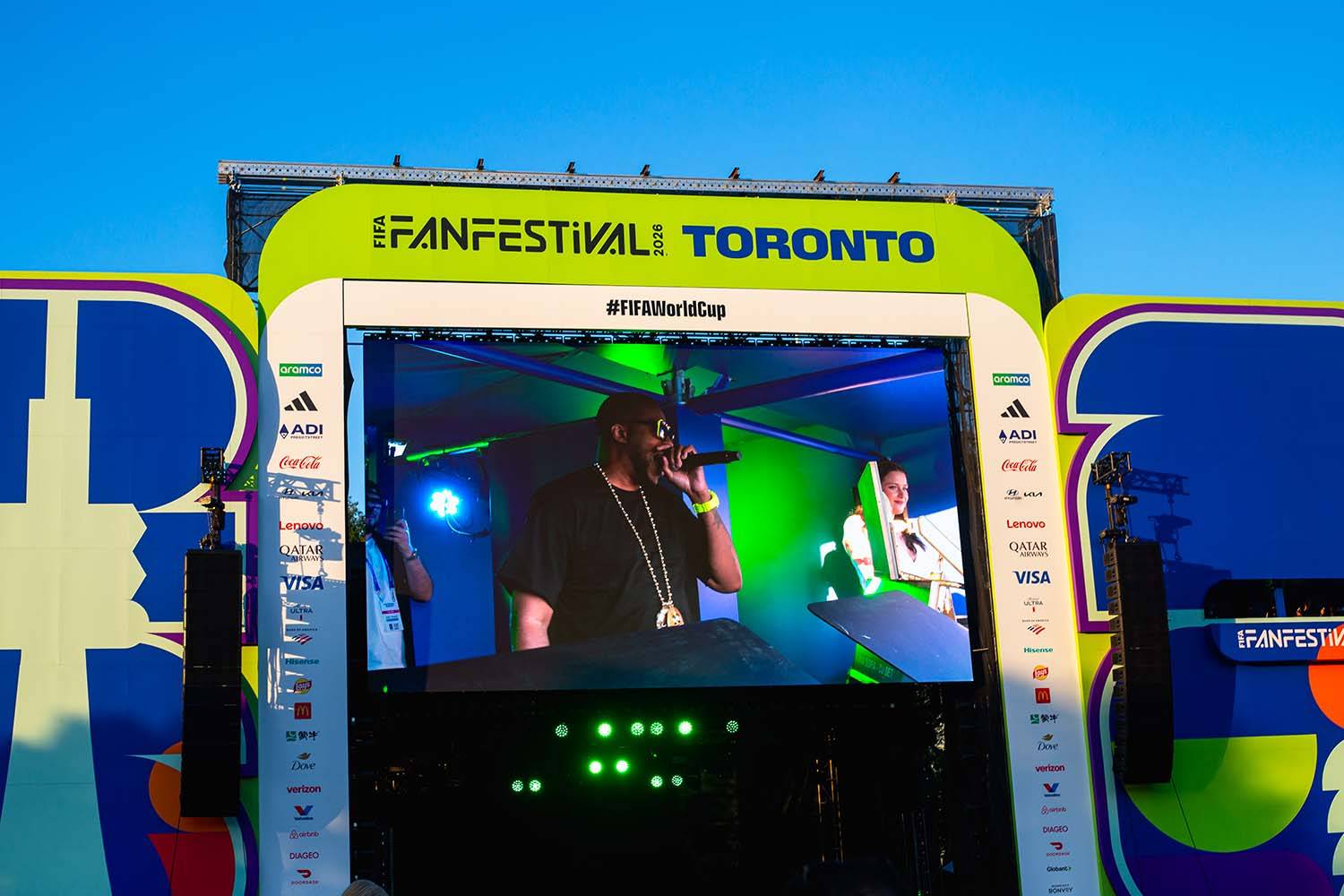
Alongside that history, Toronto wrote its own chapter of this World Cup. Between June 11 and July 19, Fort York and The Bentway served as one of the tournament's official Fan Festival sites, and the city welcomed fans from across the 48 qualifying nations, along with residents who turned out night after night to be part of it.
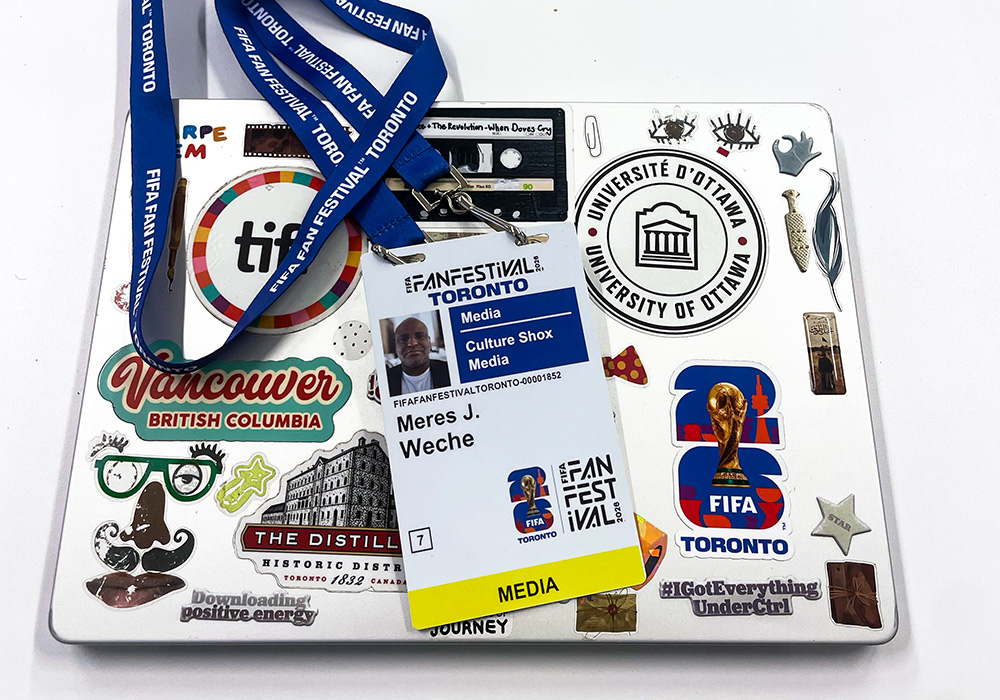
Culture Shox Media spent those six weeks on the ground covering the festival, and this is our attempt to give credit where it belongs, to the city that hosted the moment and the people who filled it.
A city that knew how to host
Running a free public festival for 39 days, inside a live 16-city global tournament, is not a small undertaking, and the City of Toronto's execution deserves to be said plainly. Julia Oosterman, Chief Communications Officer for the City of Toronto, led a communications team of roughly 60 people through more than a year of planning before the first match ever kicked off, covering everything from public education and issues management to the daily coordination that kept a global event running smoothly.
Russell Baker, the City's Director of Communications, Media Relations and Issues Management, steered the media relations side through a tournament that brought accreditation for more than 500 journalists and a level of international scrutiny Toronto had rarely faced at this scale.
The operational backbone of that effort was the Joint Information Centre, the same emergency communications model typically used for single-day events like the Super Bowl, stretched here across more than 40 days. A few details give a sense of what that meant in practice:
Teams worked shifts as long as 15 hours during peak tournament days
Coordination ran continuously with the TTC, Toronto Hydro, Metrolinx, the RCMP, MLSE, 311, Toronto Fire, Toronto Paramedics and Toronto Public Health
Roving social media staff, on-site match day support and a dedicated presence at Toronto's Emergency Operations Centre ran in parallel throughout the tournament
The festival stayed open, safe and accessible every single day for more than a month, through six hosted matches and dozens of non-match days alike
Pulling that off without the strain showing at Fort York is the sort of achievement that rarely gets its own headline, but it is the reason the celebration itself felt effortless.
The fans who filled it
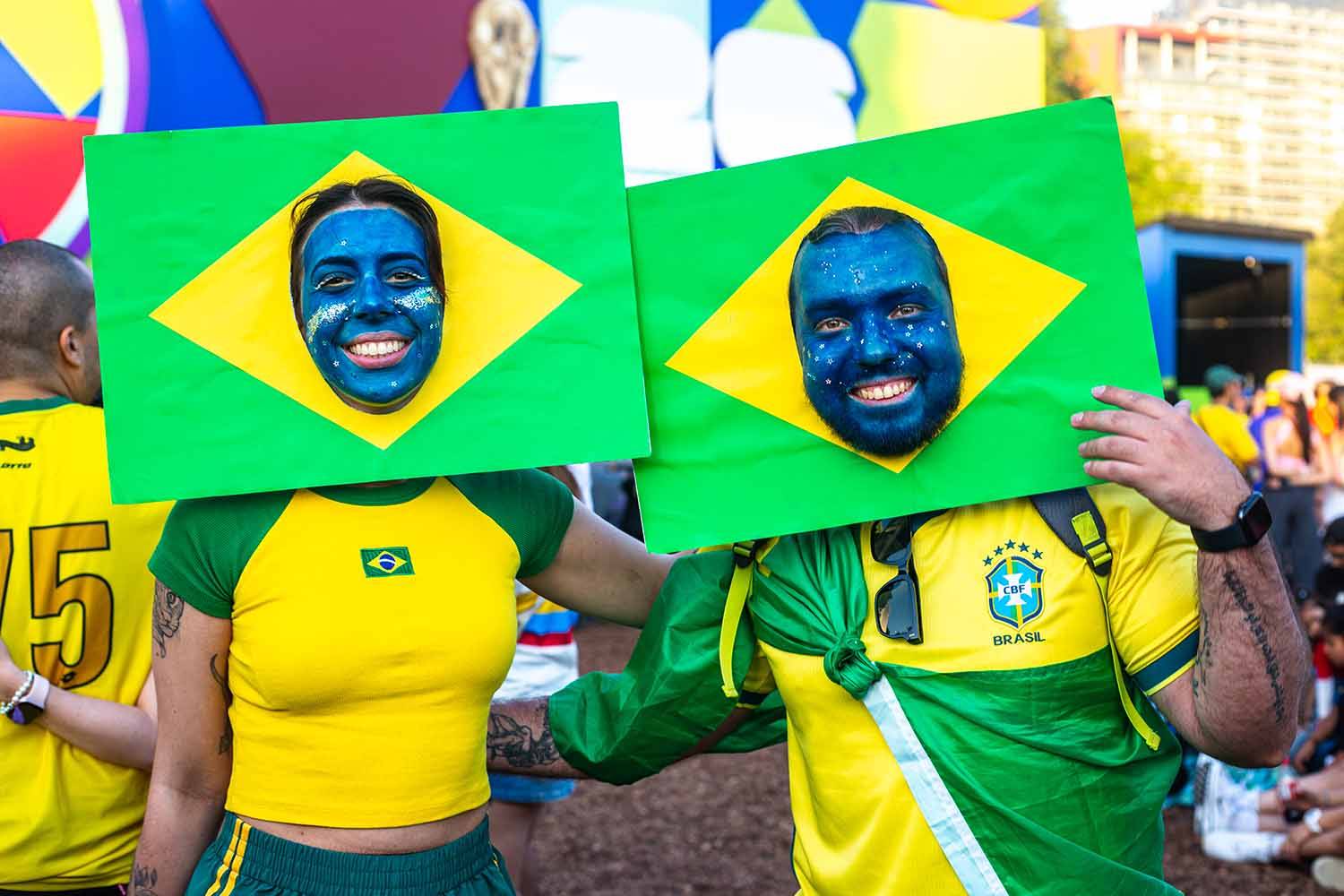
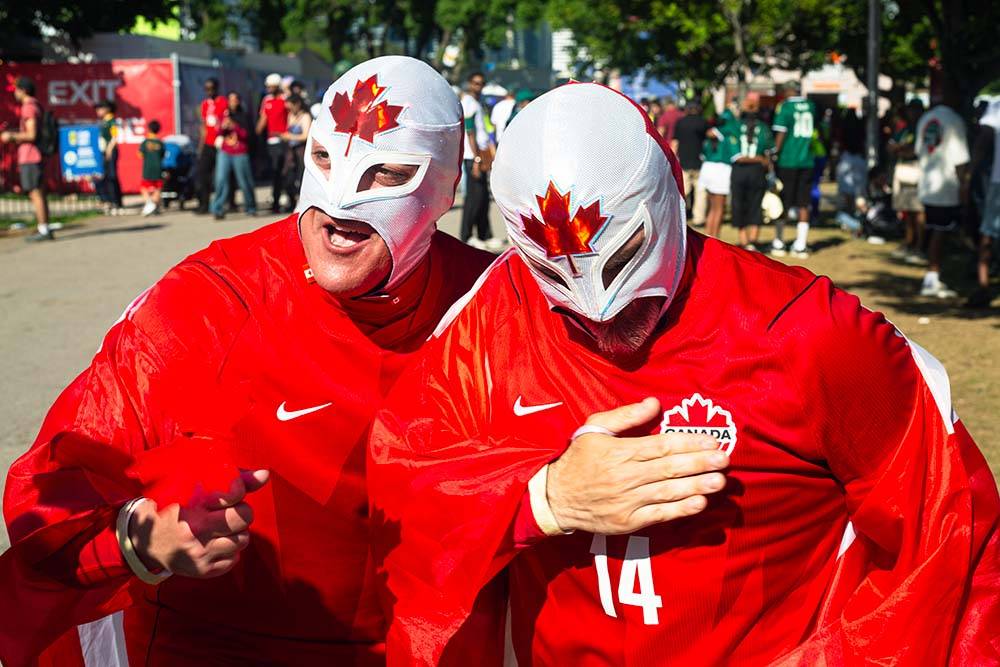
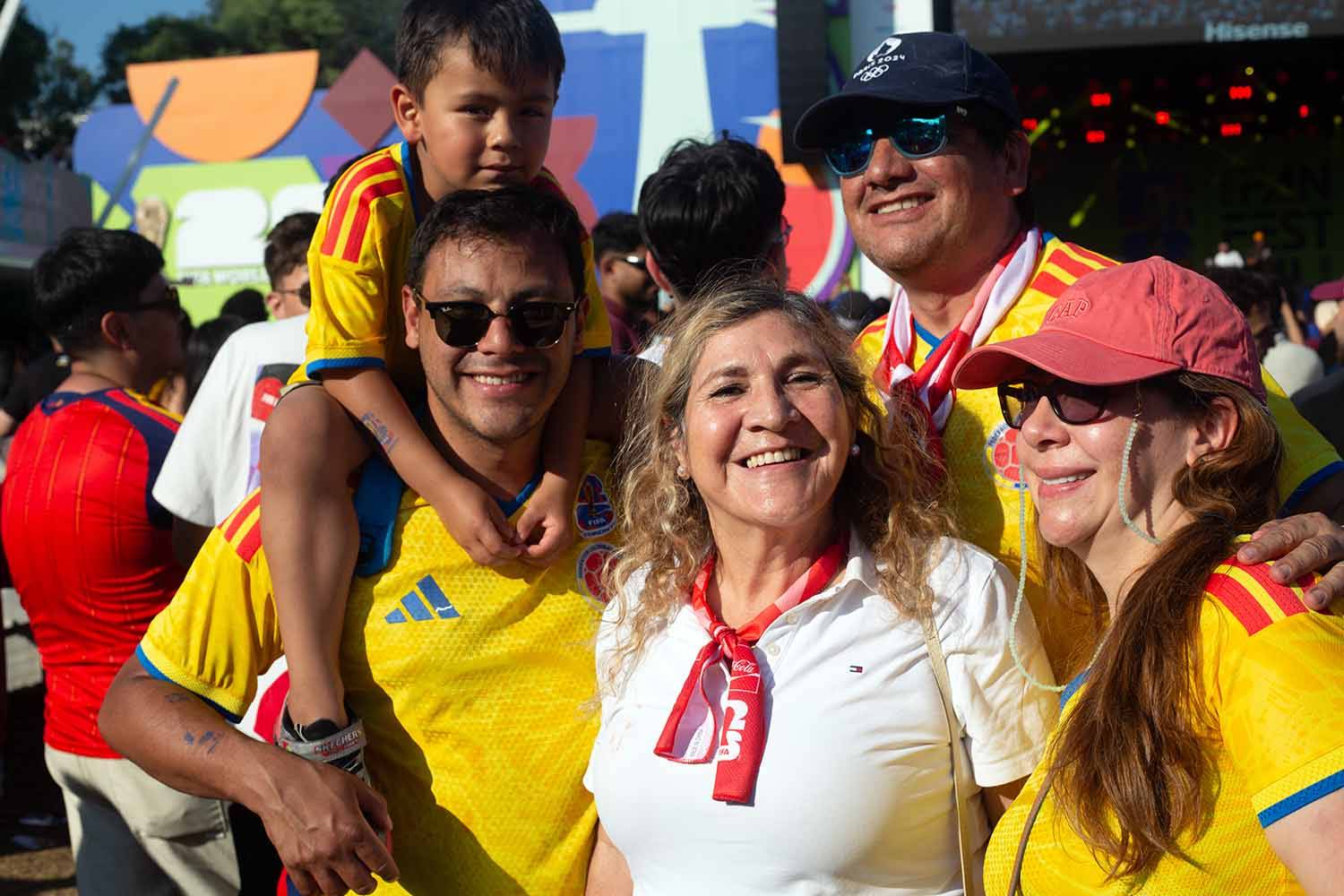
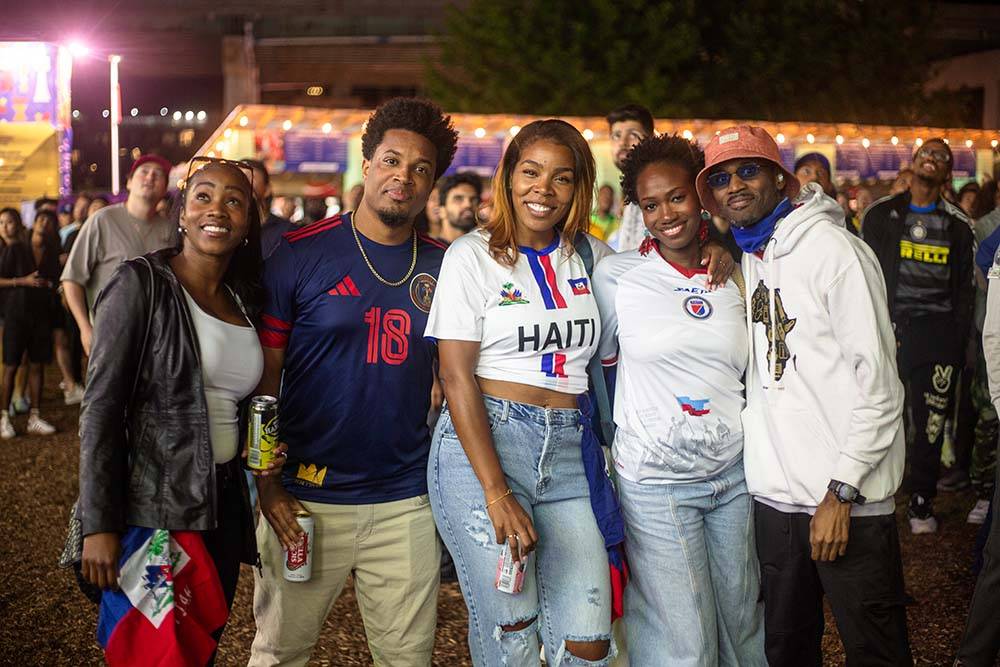
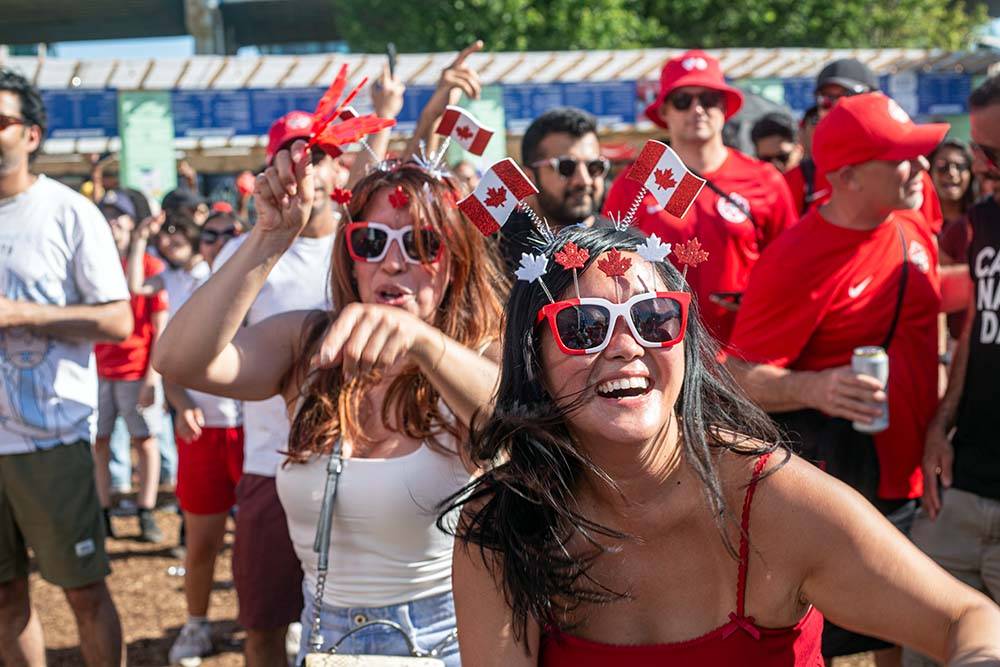
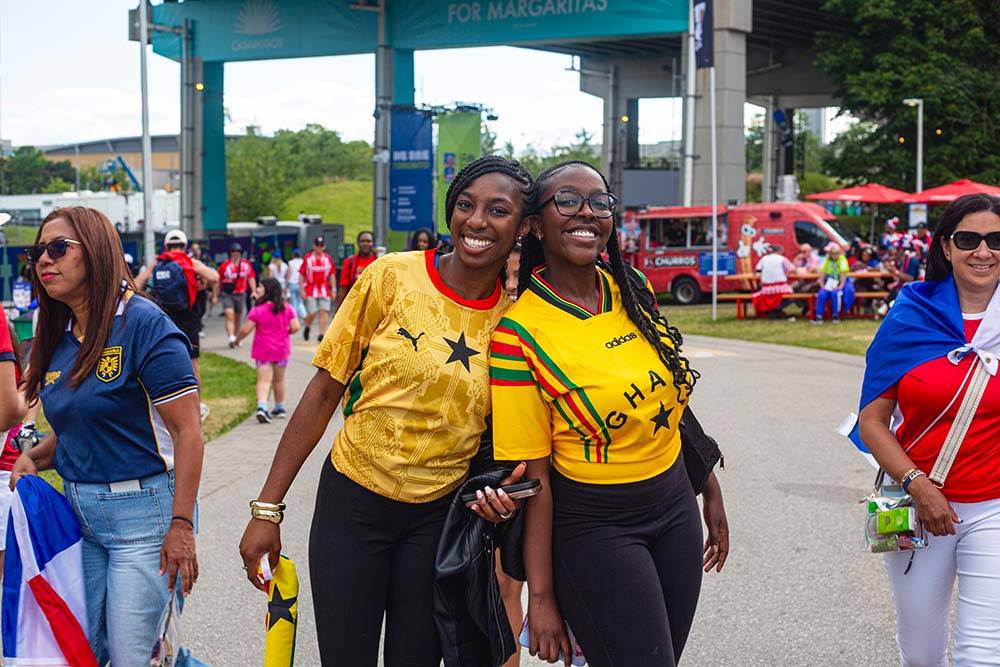
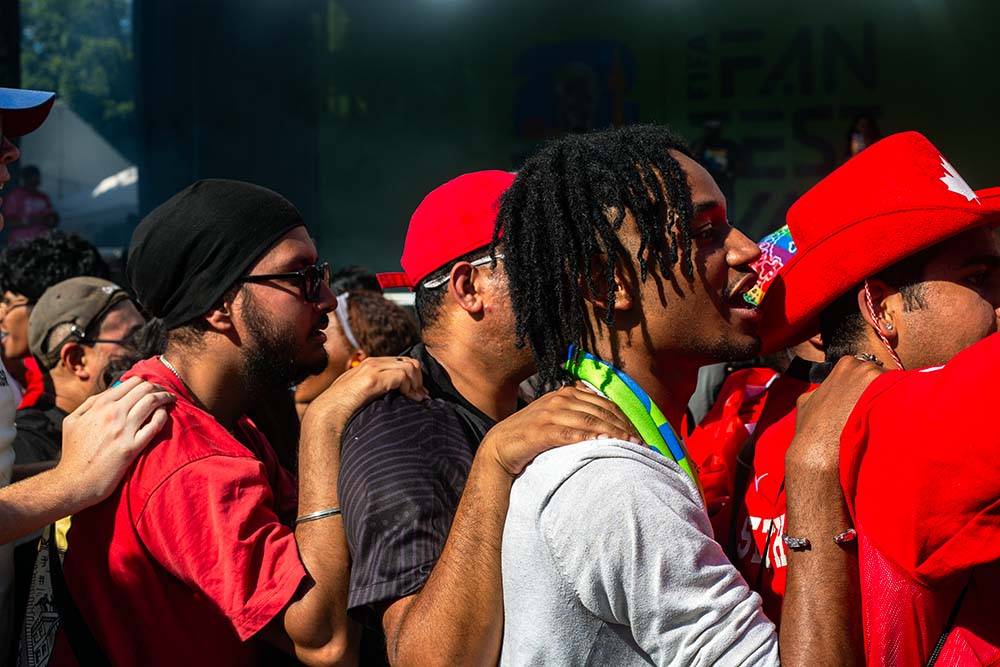
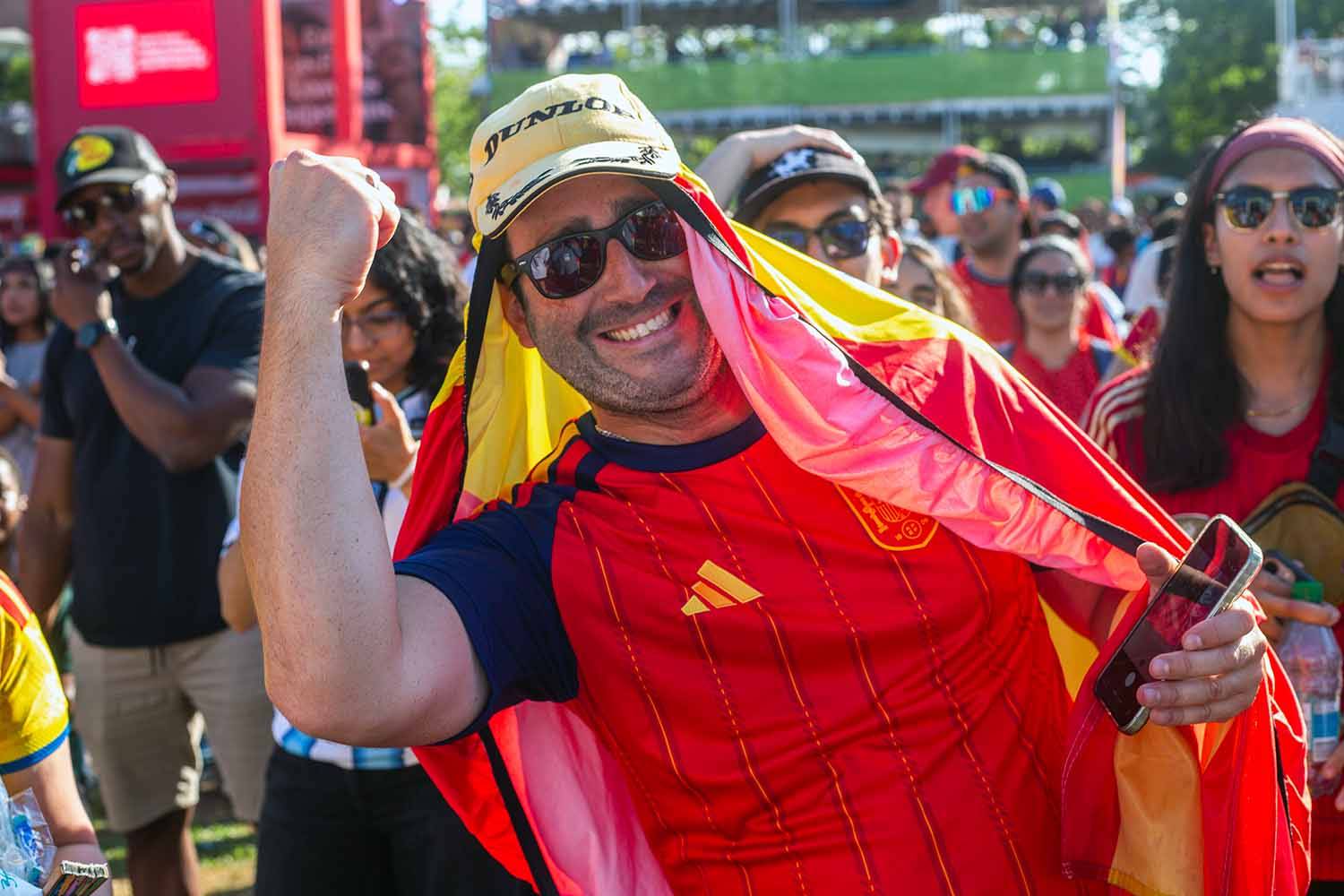
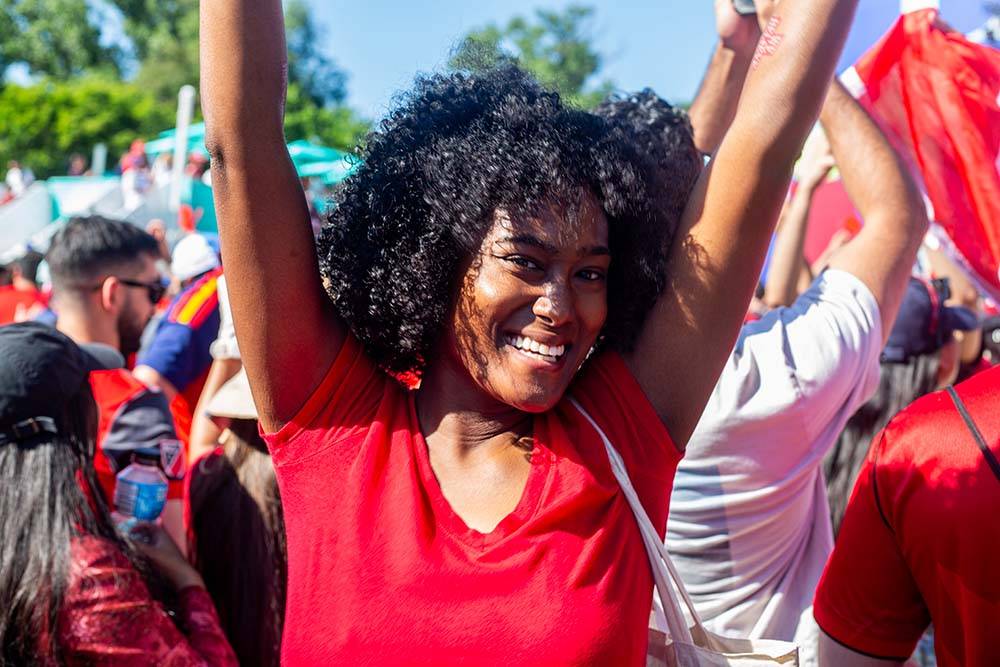
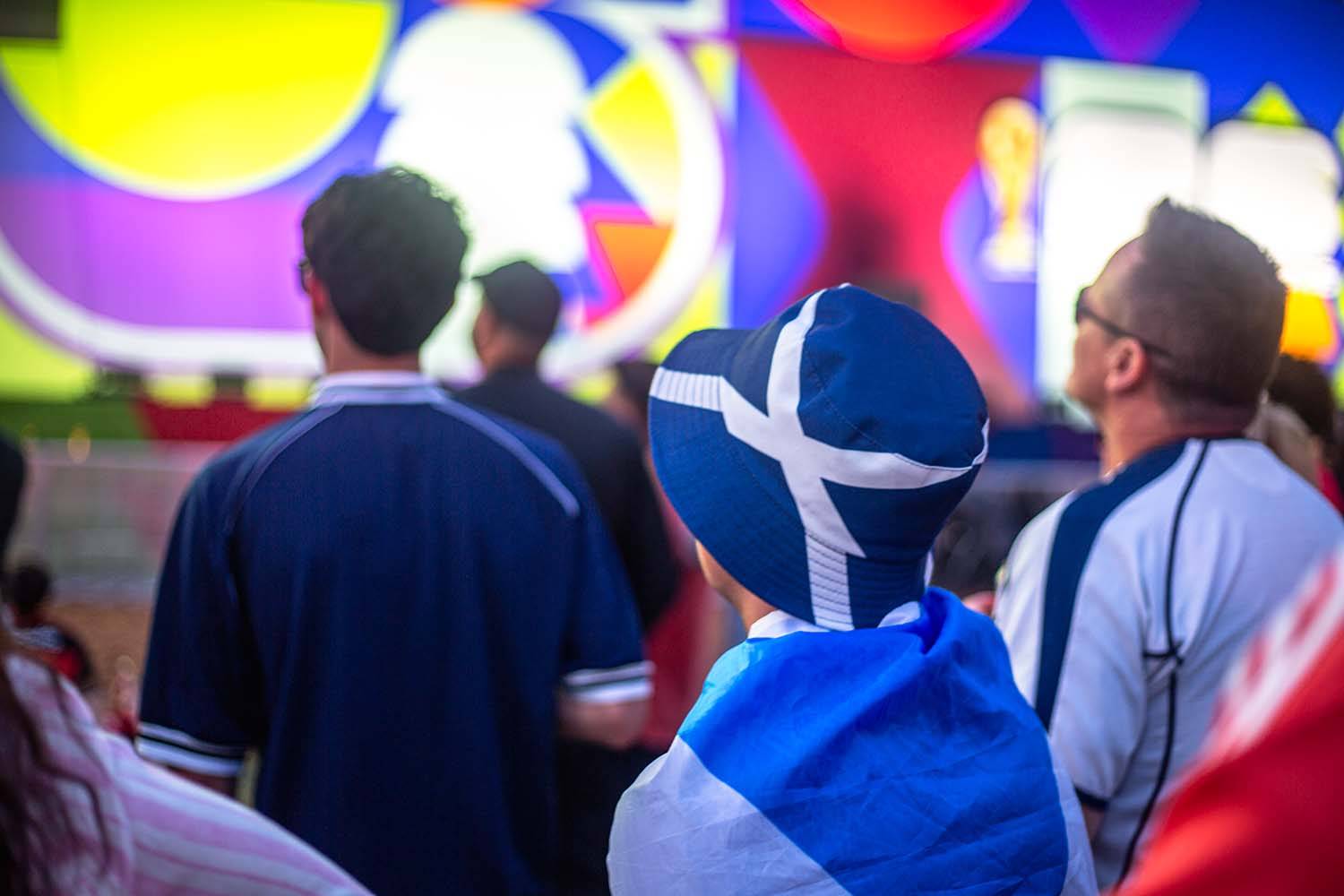
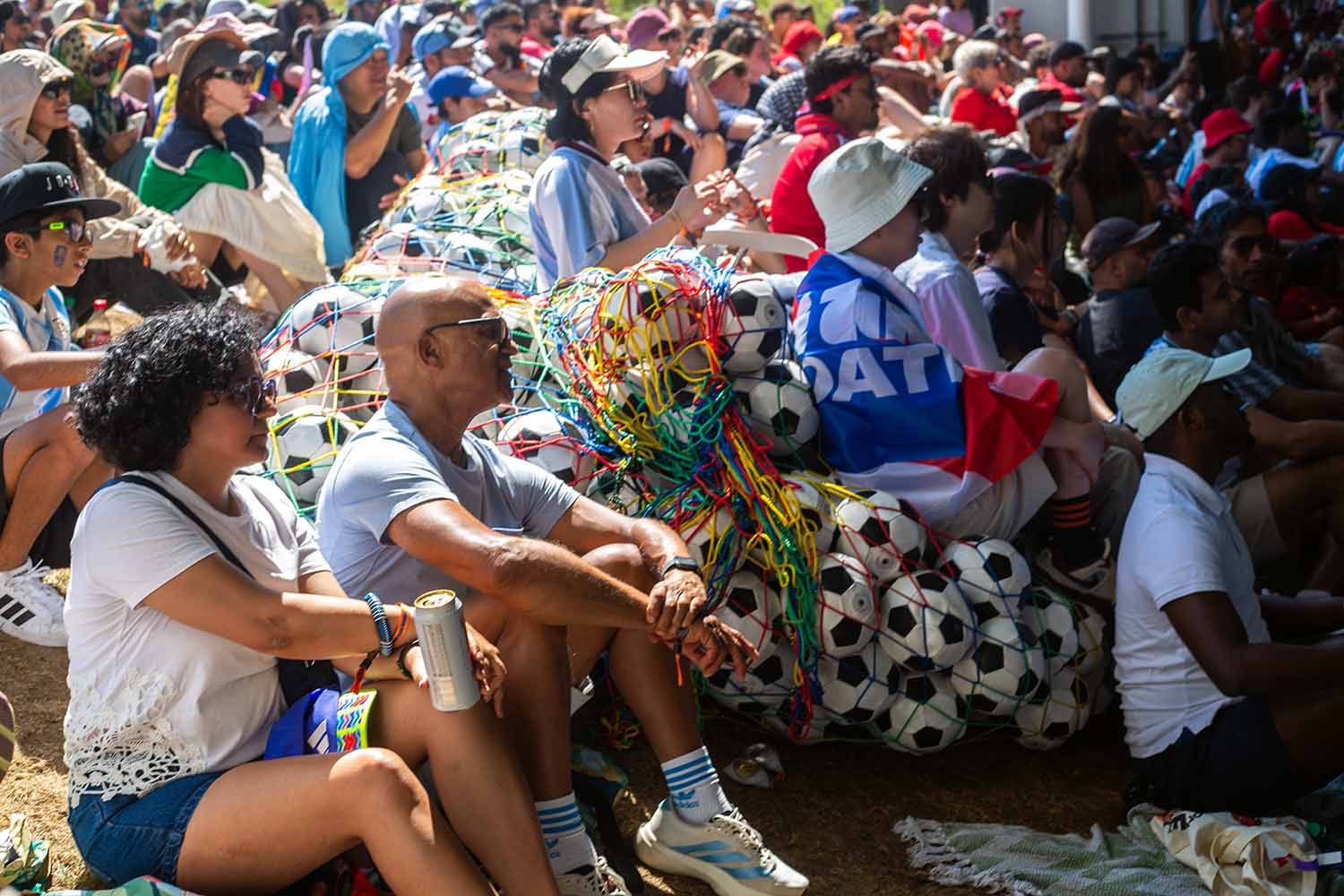
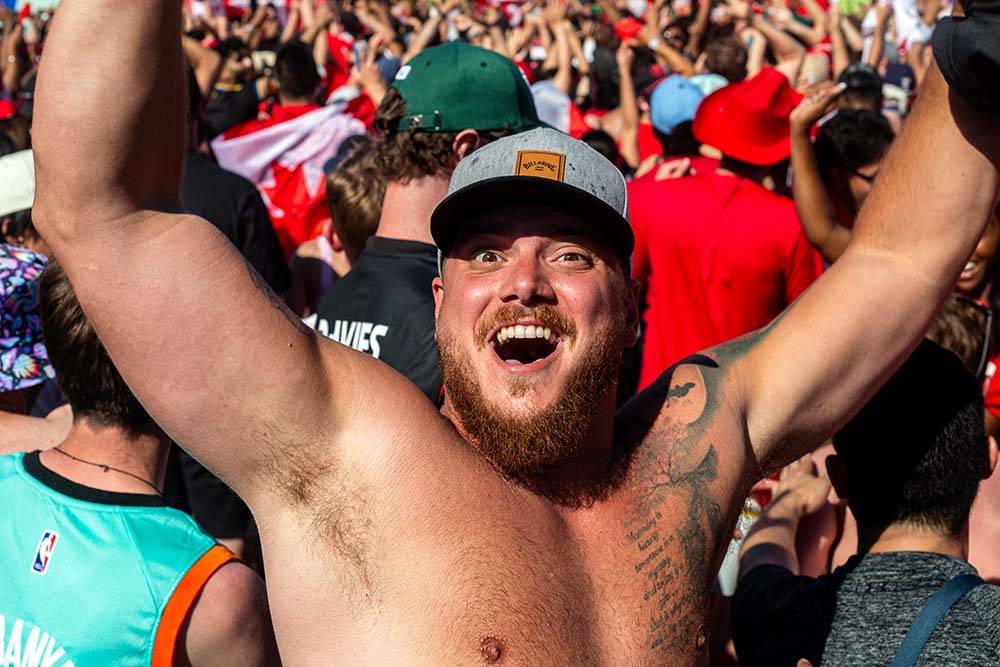
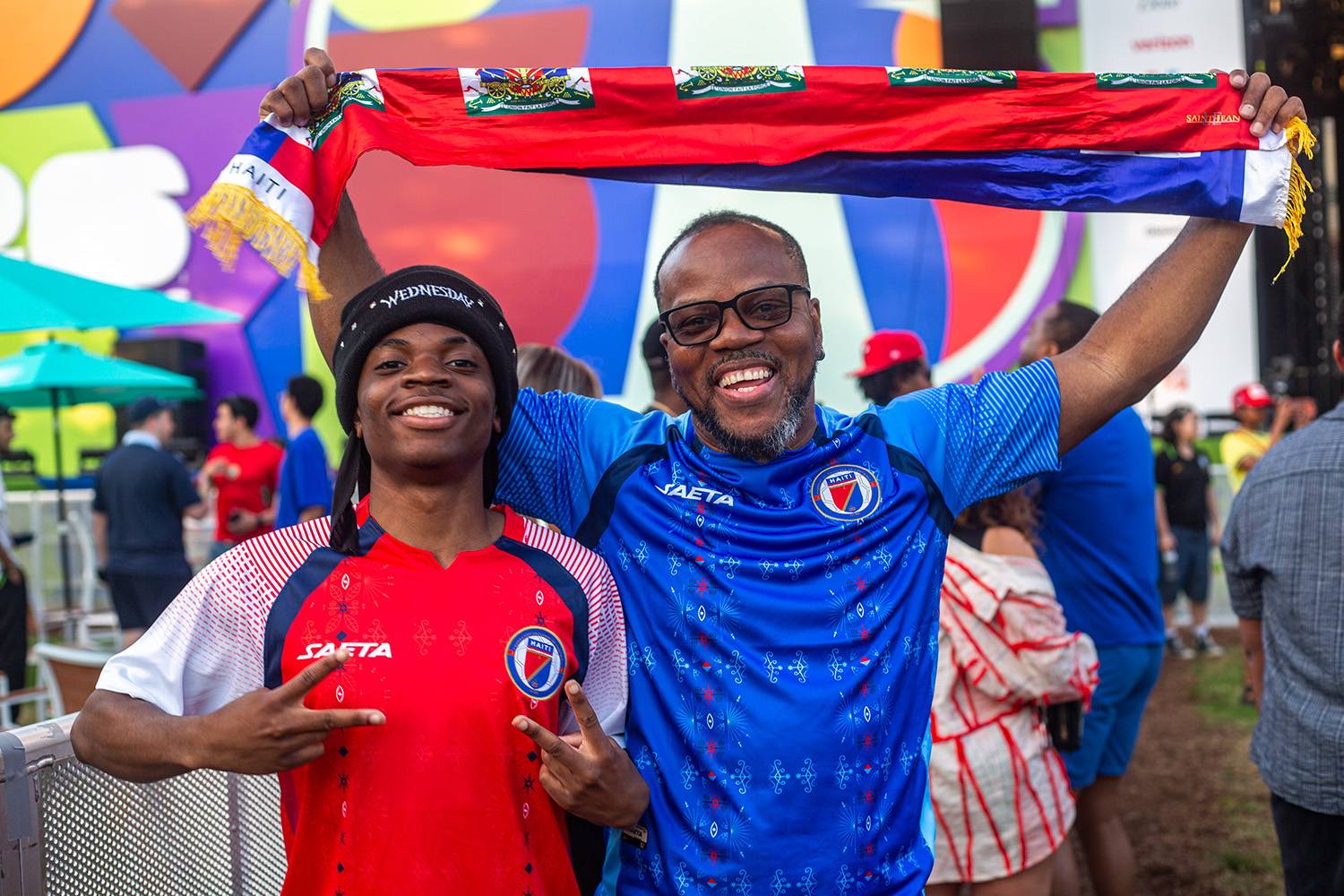
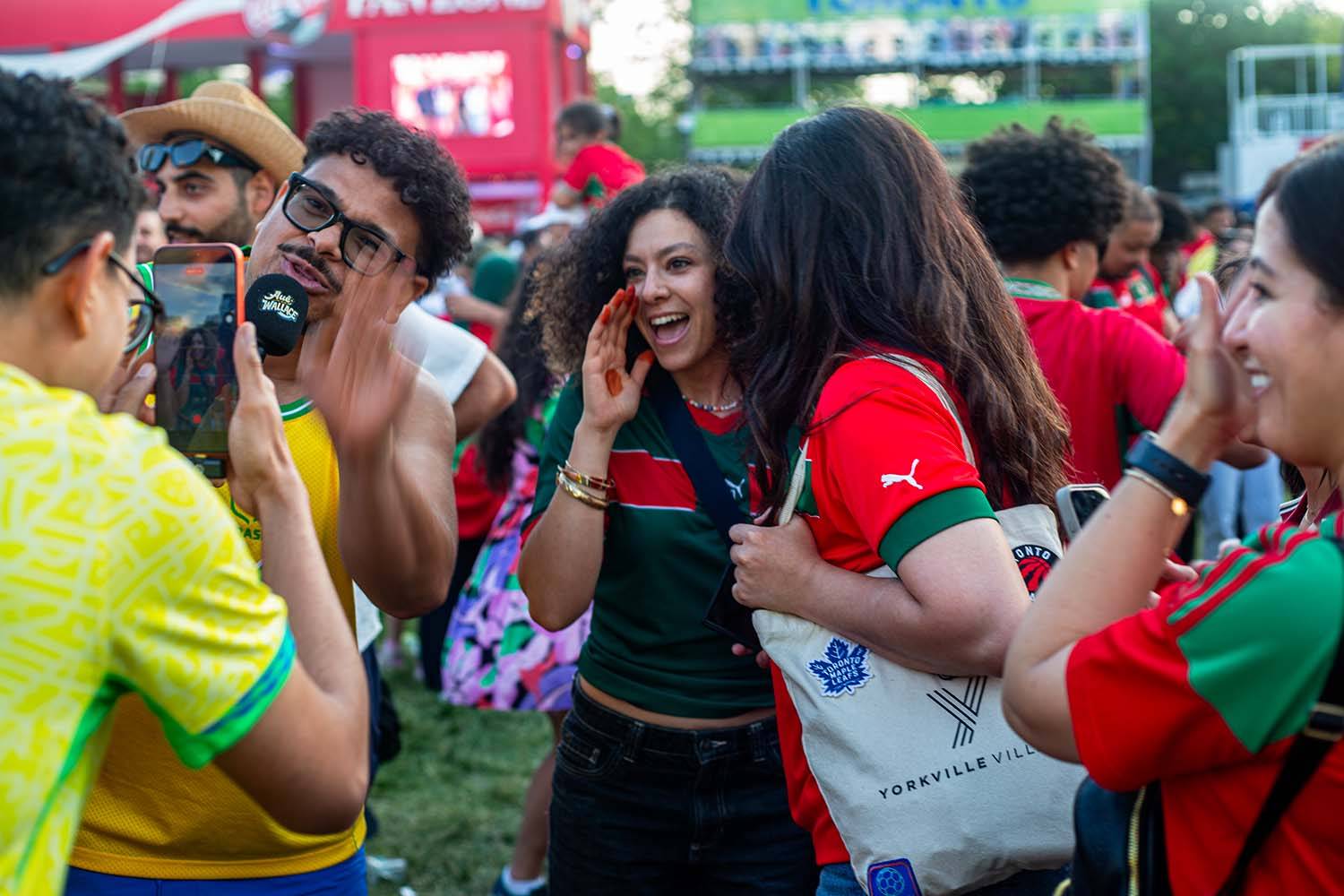
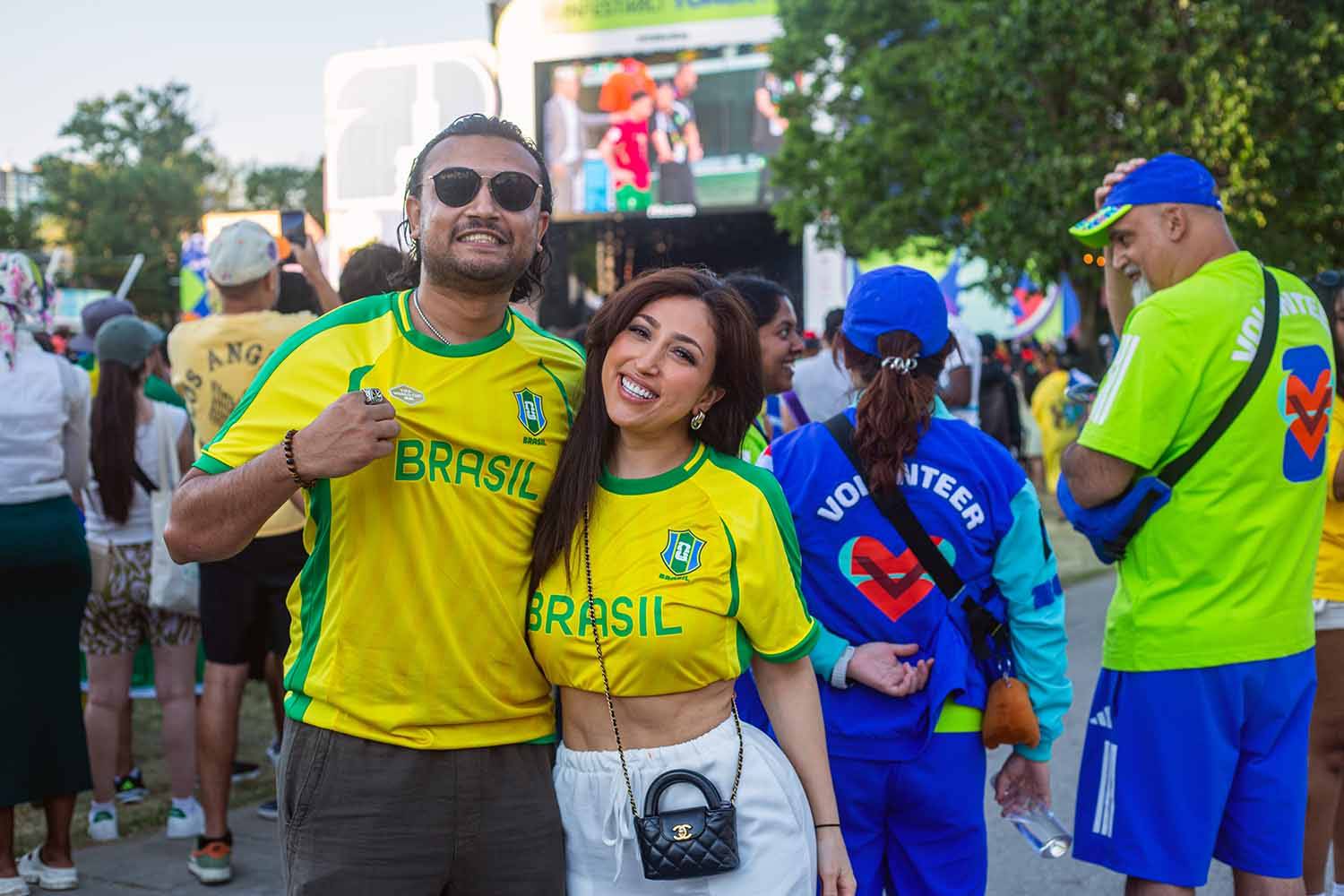
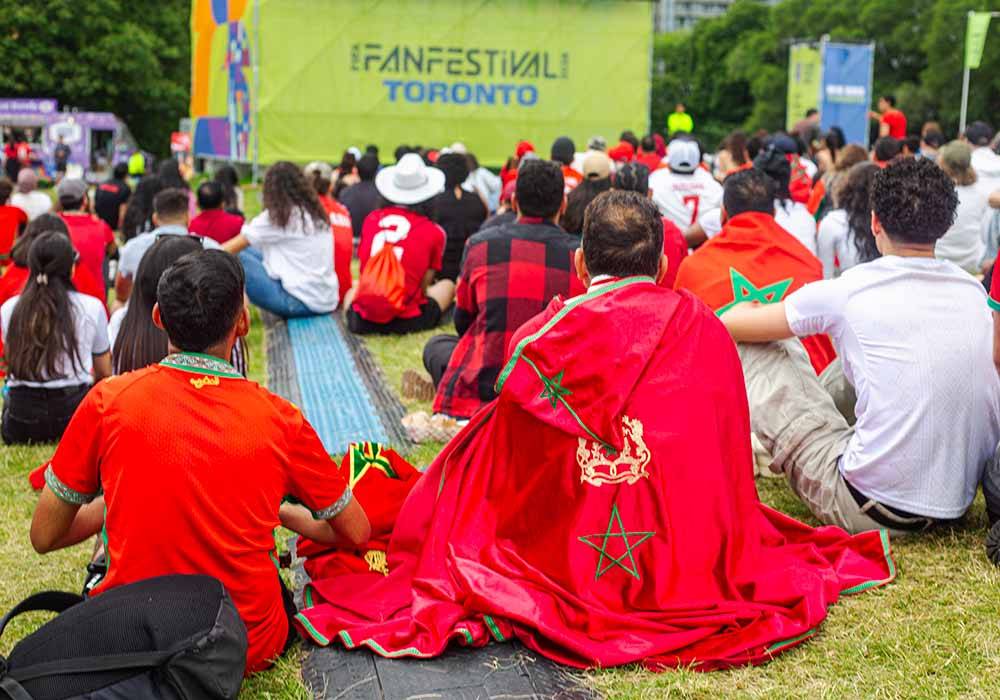
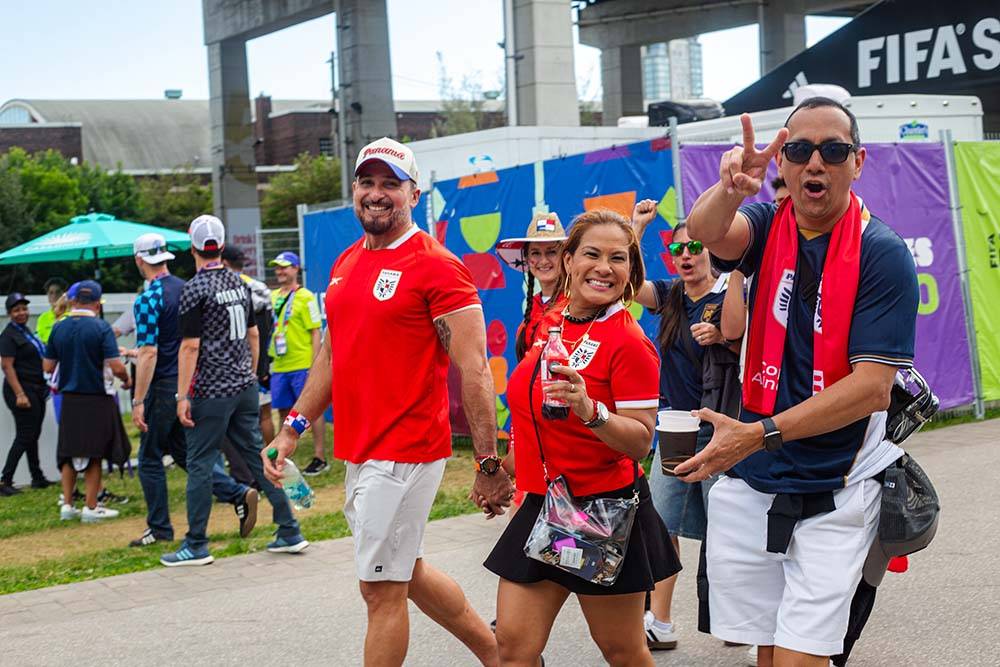
None of that planning matters without the people who actually showed up, and Toronto's own communities did their part. Fans wearing colours from Mexico, Ghana, South Korea, Brazil, Portugal and Morocco, among many other qualifying nations, filled the grounds day after day, and Toronto's own diaspora communities turned out in force to cheer for the teams connected to their heritage and beyond.
5S2A0796.jpeg
5S2A1601.jpeg
5S2A1826.jpeg
5S2A1032.jpeg
5S2A1593.jpeg
5S2A1190.jpeg
ghana-girls-5S2A1182.jpeg
5S2A1577.jpeg
5S2A1822.jpeg
5S2A1235.jpeg
5S2A1454.jpeg
5S2A0830.jpeg
5S2A1747.jpeg
5S2A1471.jpeg
5S2A0814.jpeg
5S2A0791.jpeg
5S2A0776.jpeg
5S2A0802.jpeg
5S2A0809.jpeg
5S2A1262.jpeg
panama-fans-5S2A1165.jpeg
All images by Meres J. Weche. All rights reserved.
Food vendors representing more than 30 cuisines lined the festival footprint, giant screens carried every match, and the atmosphere held steady on non-match days as much as it did during Toronto's six hosted games. It was a reminder that Toronto's diversity, often talked about in the abstract, showed up in a very literal, very loud way at Fort York this summer.
Quick facts: Toronto's FIFA Fan Festival
Detail
Information
Venue
Fort York National Historic Site and The Bentway
Festival dates
June 10 to July 19, 2026
Footprint
Approximately 43 acres
Matches hosted in Toronto
Six
City communications team size
Roughly 60 people
Journalists accredited at Fan Festival Toronto
More than 500
Site reopening to the public
August 1, 2026
Thanks where it is due
Culture Shox Media was able to cover this tournament from inside the media fold thanks to Mahreen Dasoo, Senior Communications Advisor with the City of Toronto, and Kayla Lewis, the City's Media Relations Manager, who both made room for a multicultural media studio at a moment when access was in high demand. That access shaped this coverage from start to finish, and we are grateful for it.
Later this year, Oosterman and Baker are expected to appear together at the Global PR Summit Canada in Toronto to discuss the communications realities of hosting a tournament this size, a conversation we plan to follow closely.
What Toronto keeps once the tents come down
Fort York and The Bentway reopen fully to the public on August 1, and within a few weeks, there will be little physical trace of the screens, stages and food stalls that filled the grounds through most of the summer. What will not disappear as quickly is the case Toronto made for itself over those six weeks, that a city can host the entire world at once, run the operation without a visible seam, and still let its own people be the ones the visitors remember.
The City of Toronto's communications and events teams built the conditions for that to happen, and Torontonians, in six weeks of jerseys, languages and shared meals at Fort York, made the most of it.
For me, that combination is the real story worth telling now that the final whistle has blown: a host city that did the hard, unglamorous work of running a global event well, and a population that turned out to prove exactly why Toronto was trusted to run it in the first place.
We are grateful to have covered it from close enough to see both halves of that story clearly, and we will keep following it as Toronto reflects on what these six weeks meant for the city going forward.