

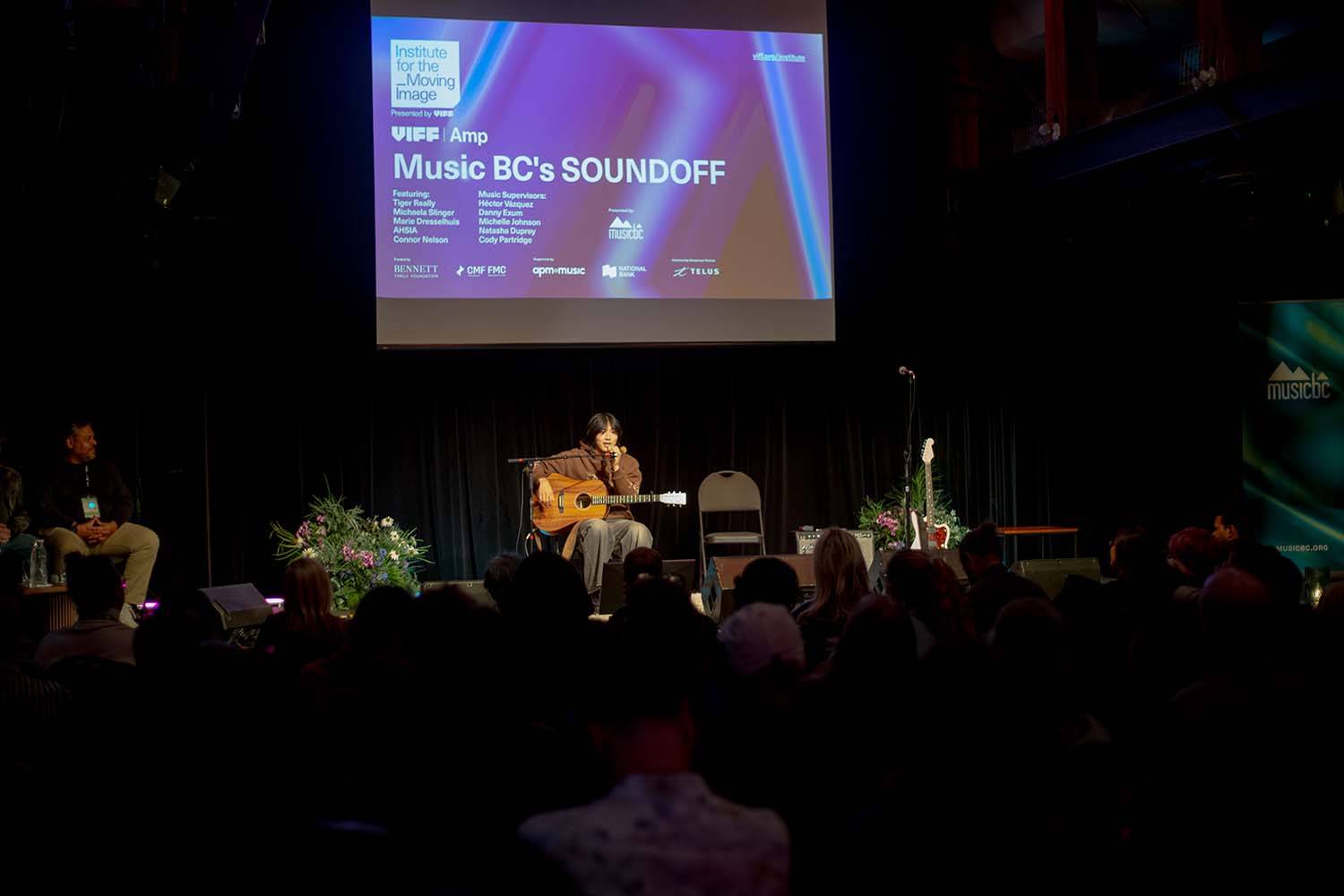
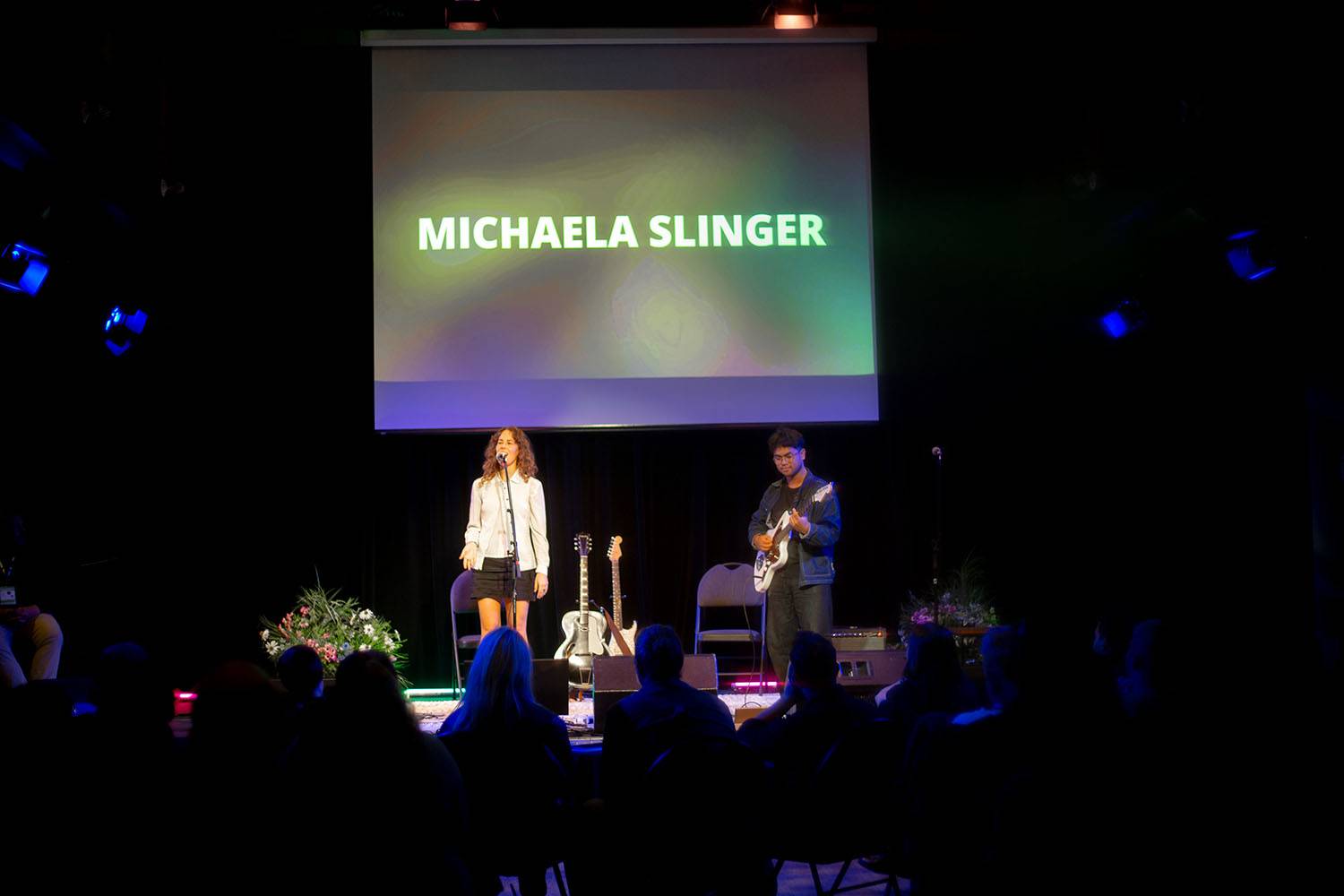
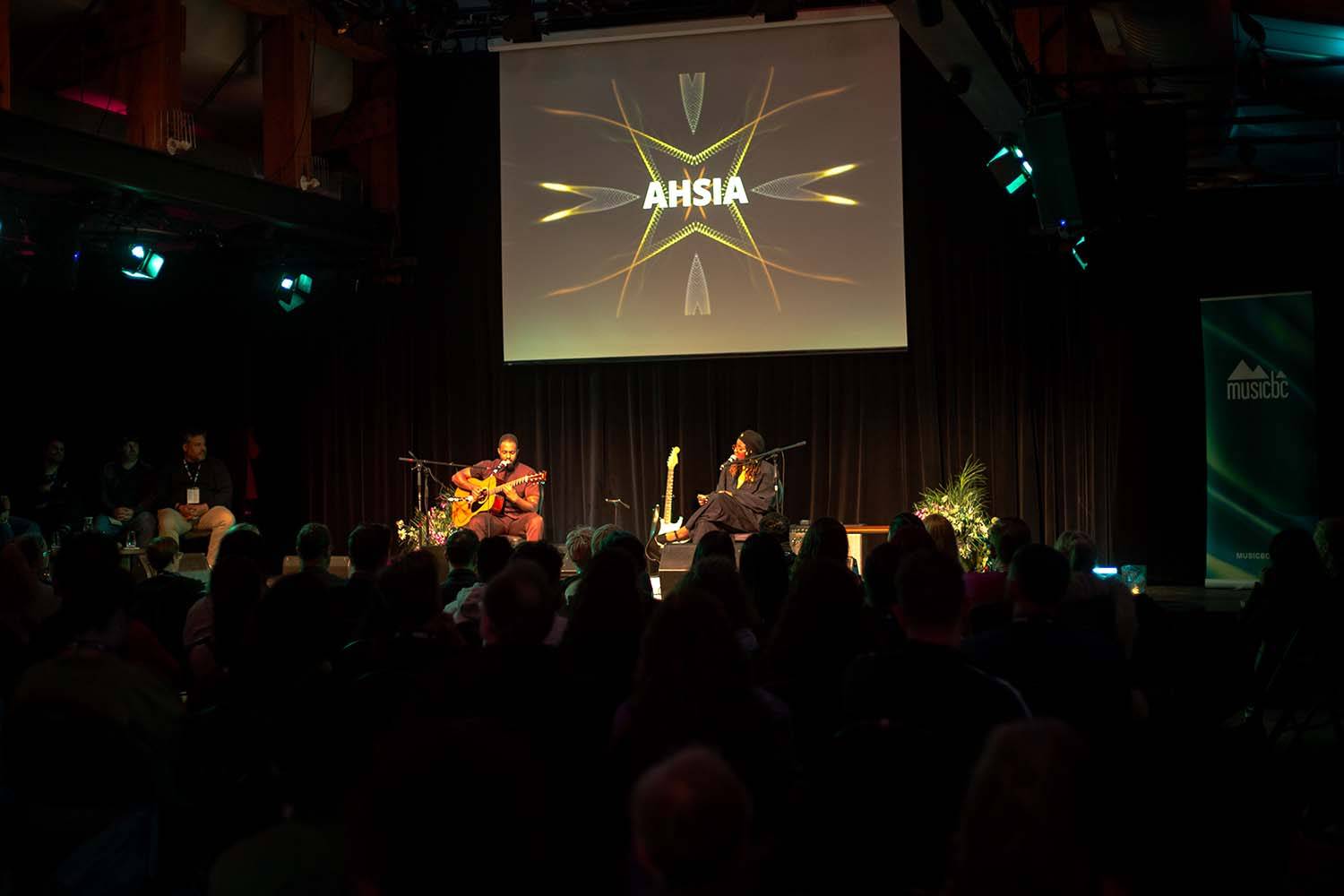
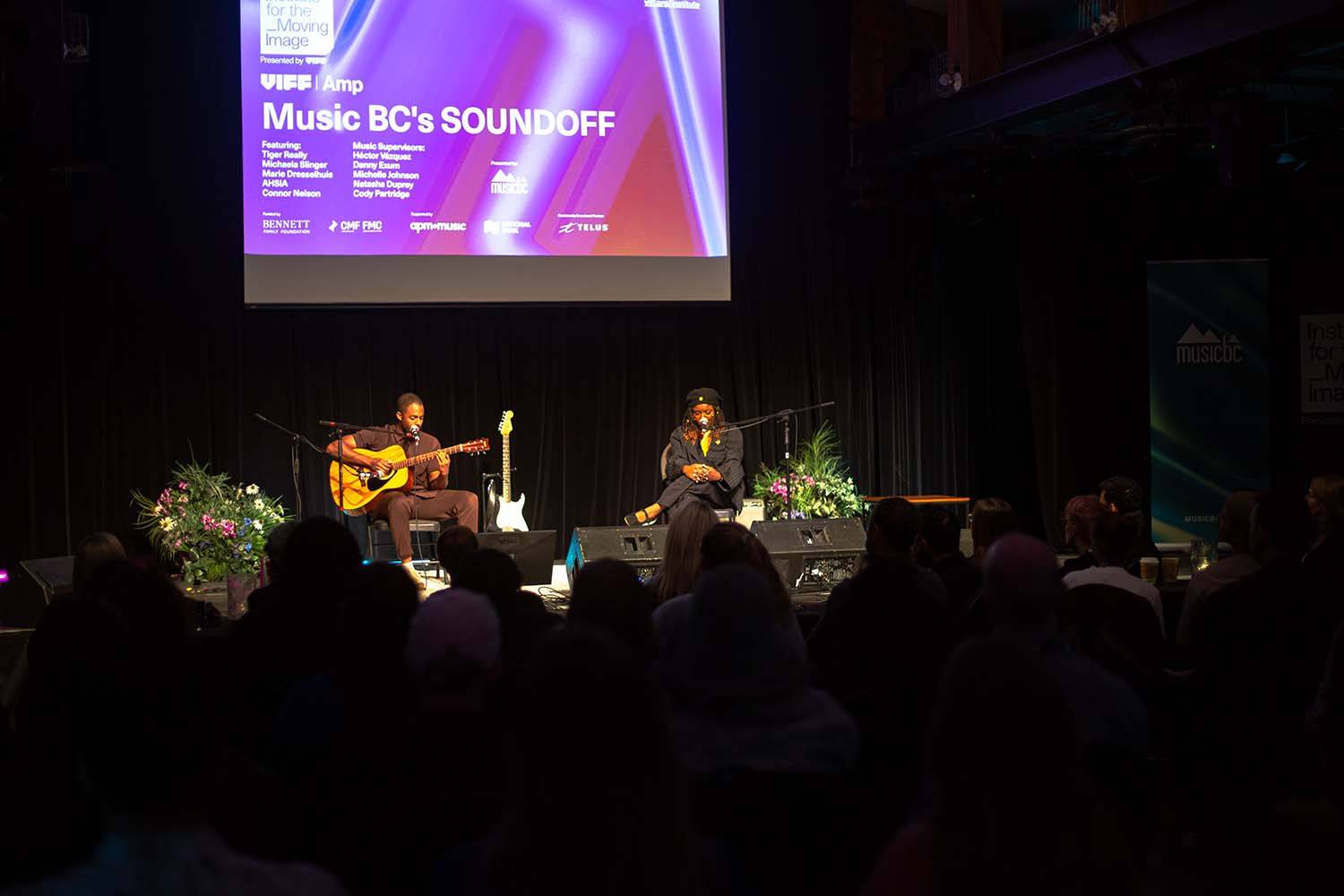
Music BC's SOUNDOFF brought five local acts to Performance Works on Granville Island for an intimate, mostly acoustic evening in front of five working music supervisors. Part of the Vancouver International Film Festival (VIFF) Amp's Music in Media Summit, the showcase offered a rare inside look at how songs get chosen for film, television, trailers and commercials, and why stripped-down performances can reveal what a polished track sometimes keeps hidden.
Most people never think about how a song ends up under a pivotal scene. A character drives away, the camera pulls back, a vocal swells, and the moment lands. Behind that moment sits a long chain of decisions involving a music supervisor, a brief, a budget, a clearance process and, increasingly, a deliberate effort to give local artists a fair shot.
On Tuesday, October 6, I spent the evening at Performance Works on Granville Island for Music BC's SOUNDOFF, one of the anchor events of VIFF Amp's Music in Media Summit. The format is simple and surprisingly revealing. Five BC artists perform for five music supervisors, then the supervisors talk openly about what they heard, what works on screen and how they make their choices.
It was an evening about craft, access and the business of getting songs placed. It also turned out to be one of the more honest conversations about the music industry I've attended in a while.
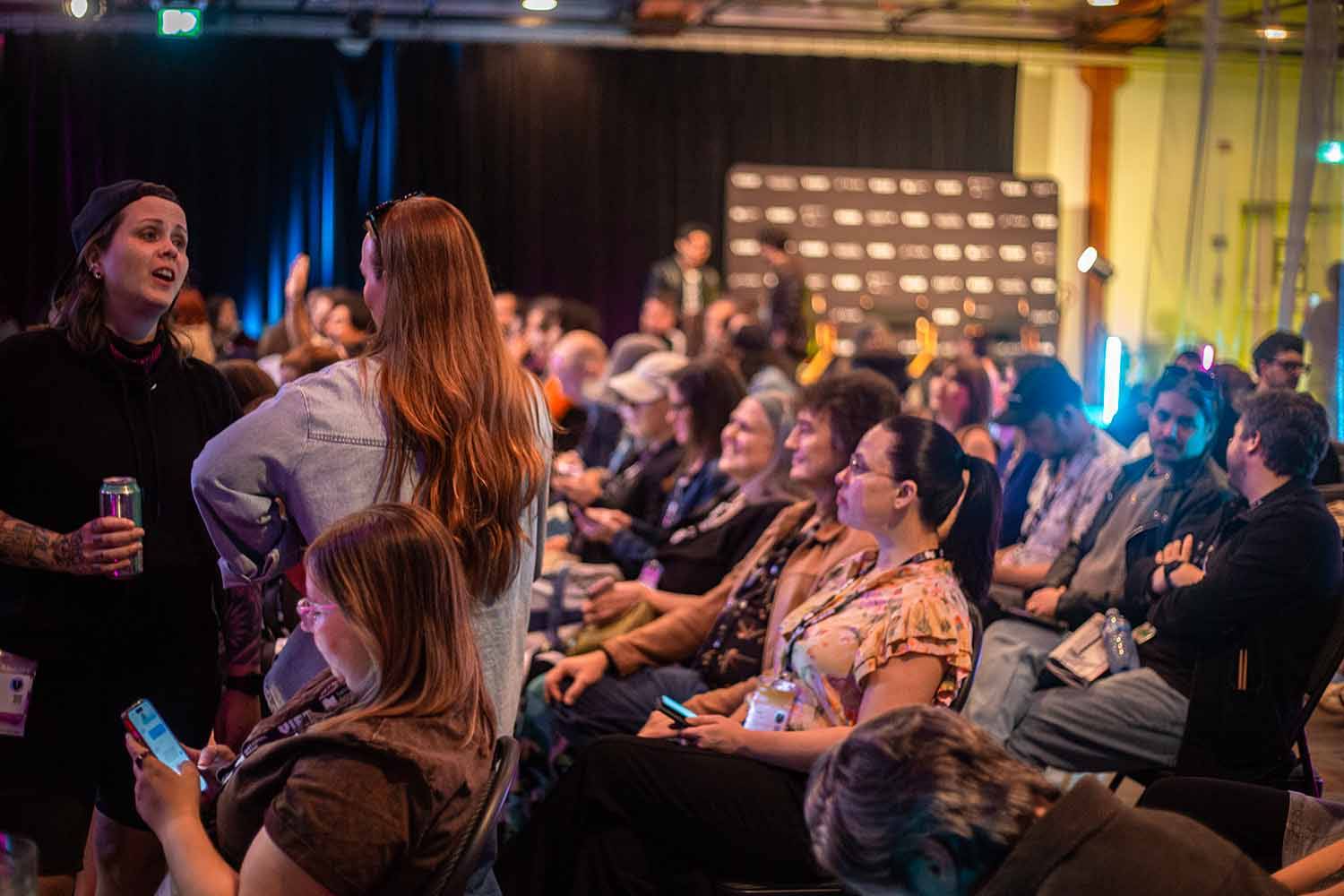



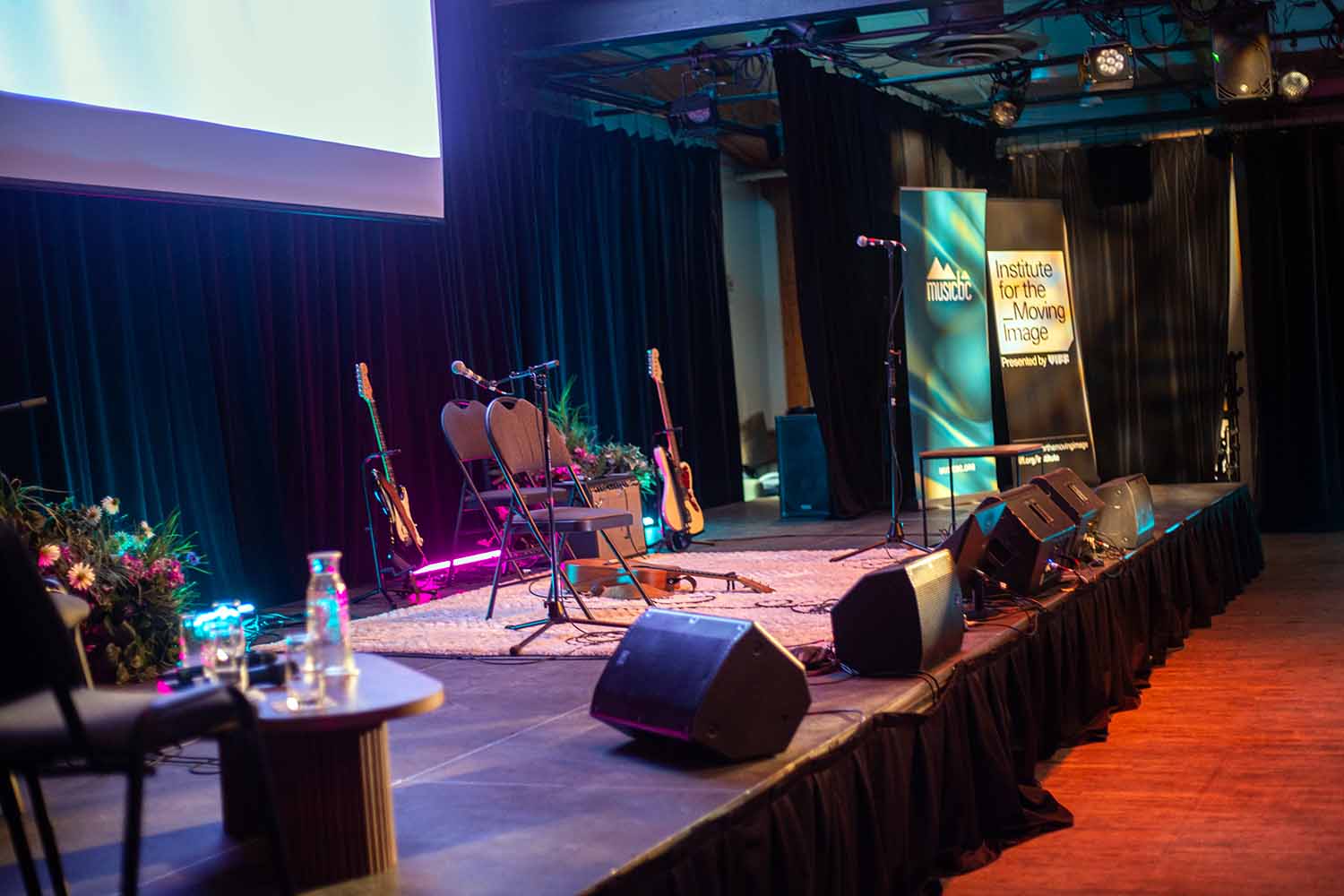
An intimate night at Performance Works
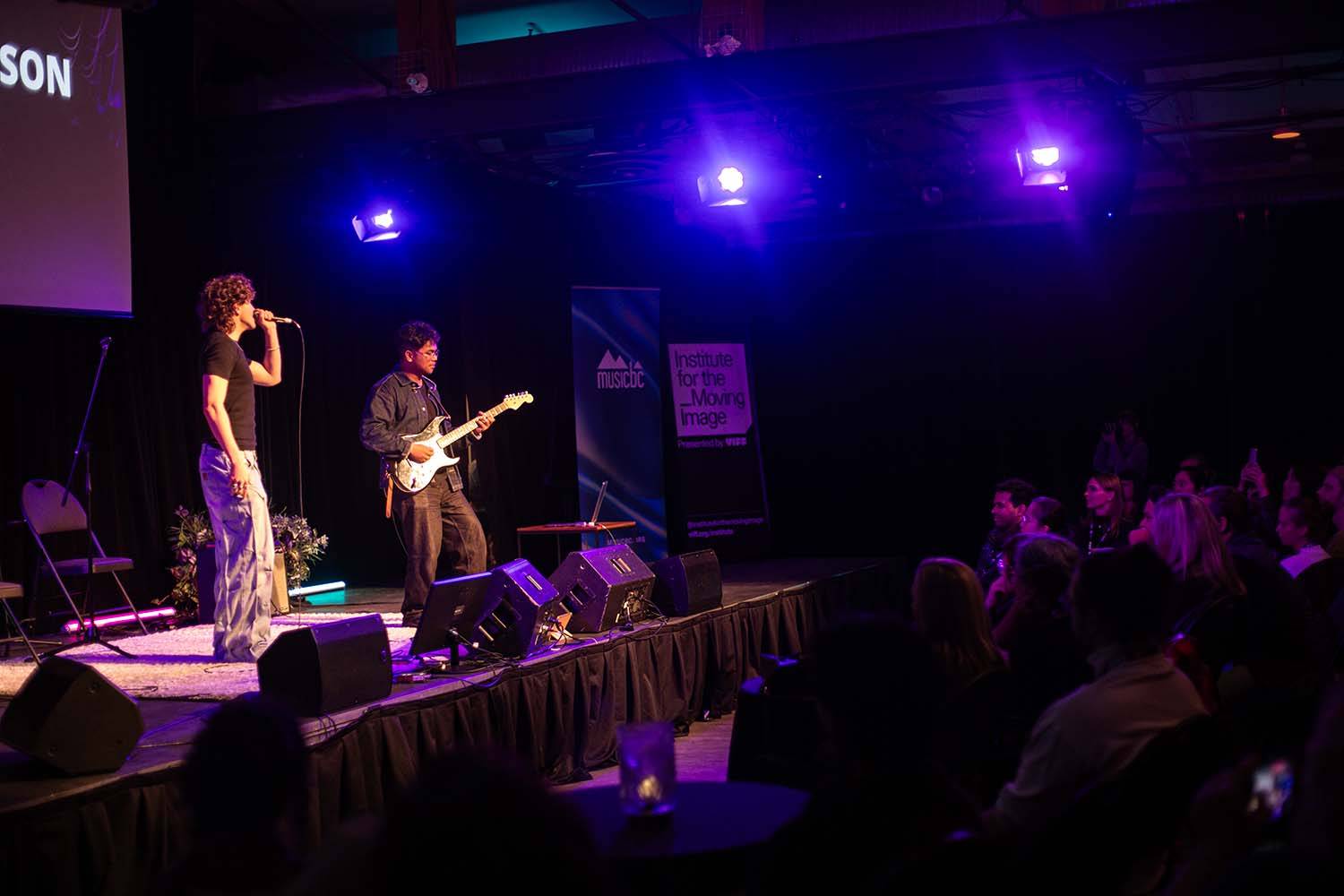
Performance Works suits this kind of event well. The room is warm, the sightlines are close and there's nowhere for a performer to hide. Each of the five artists played two songs, and most chose to present them in a different form than the produced versions they had submitted for review weeks earlier.
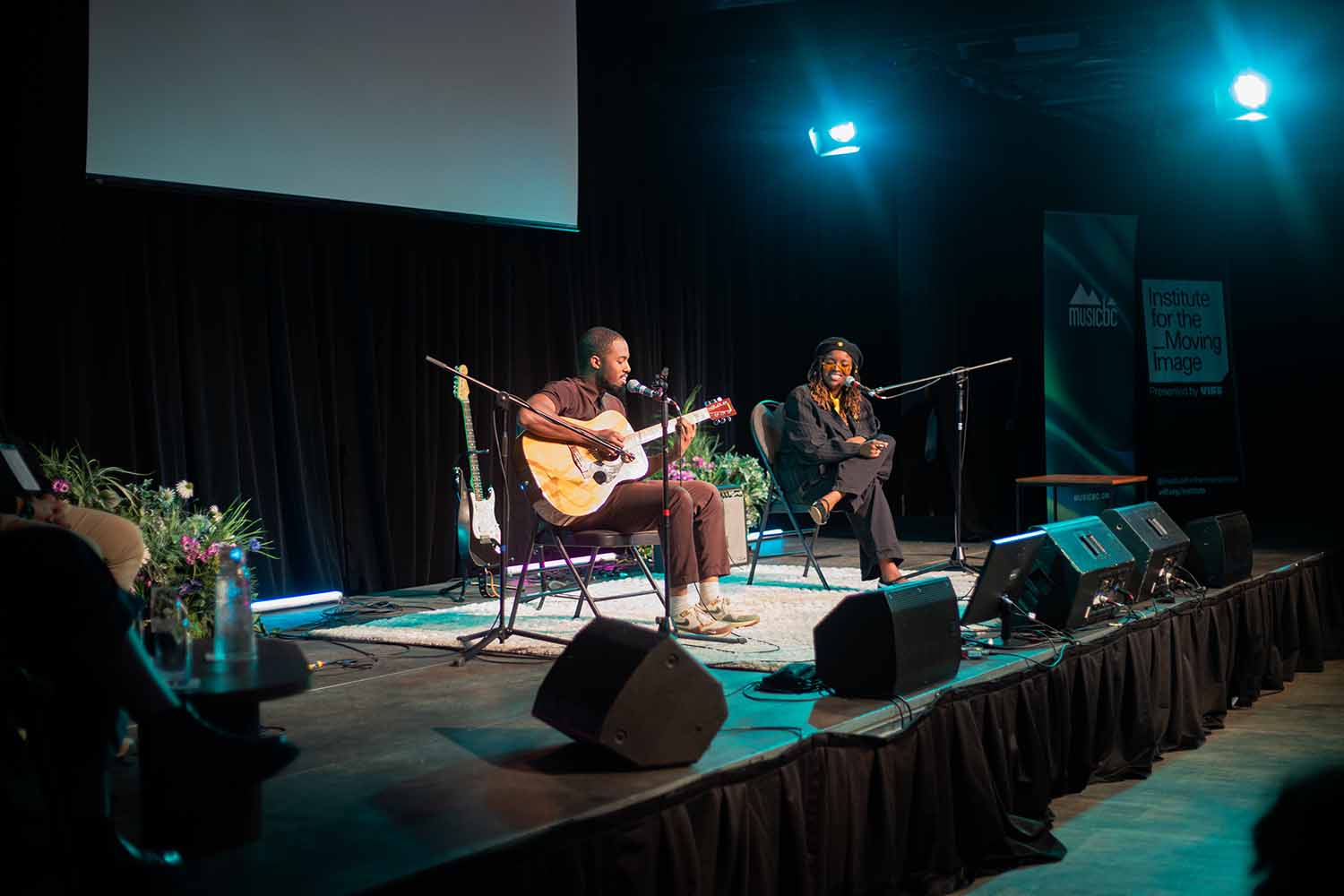
The result was largely acoustic. Guitars, keys, voices and very little else. That shift changed the dynamic of the evening, since the supervisors had already heard these songs in their finished state. Hearing them reduced to melody and lyric gave everyone in the room a clearer sense of what each song was built on.
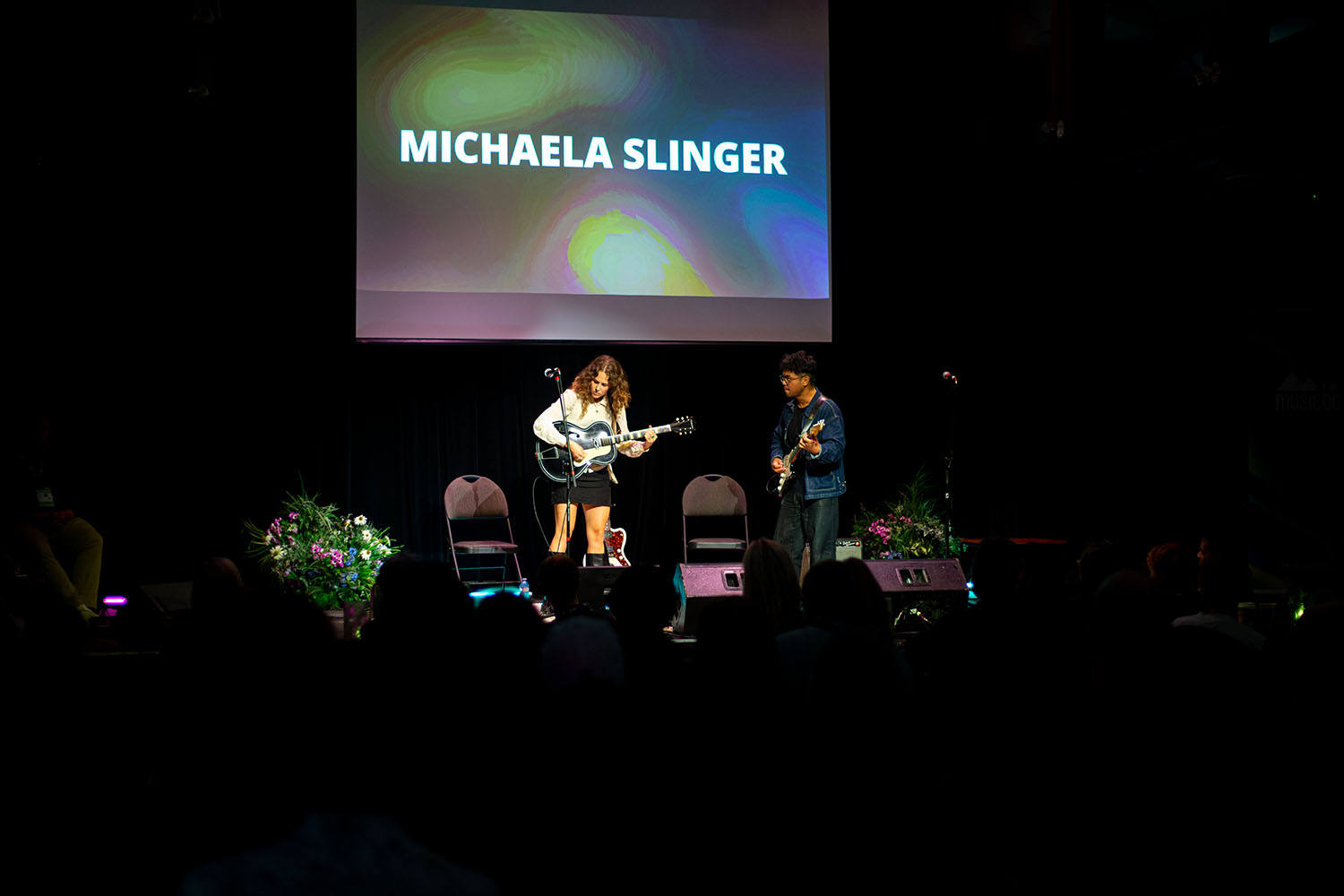
Several supervisors said as much. They repeatedly mentioned how much they enjoyed hearing the stripped-down takes, and the reason became obvious as the night went on. A song that holds up with one voice and one instrument is a song with options.
Where SOUNDOFF fits in the VIFF Amp summit
SOUNDOFF sits inside a larger structure. VIFF Amp's Music in Media Summit ran October 3 to 8 and is built to support emerging and established music professionals, including composers, songwriters and music entrepreneurs, with a particular focus on people from marginalized or underrepresented communities. The summit's cohort is chosen through a juried application process, and those selected attend free of charge.
The programming this year covered a wide spread of the music-for-media world. A few sessions that ran alongside SOUNDOFF give a sense of the range:
- The Unseen Soundtrack, a behind-the-scenes look at what happens to music between the creative decision and the final mix
- Stages-to-Screens, focused on recording artists who have moved into scoring, with Meg Remy, Peter Peter and Matthew Rogers
- Art of Composition, which unpacked the music of North of North with composers Brian and Caleb Chan, showrunner Alethea Arnaquq-Baril and music supervisor Michael Perlmutter
- Creative Intelligence, a panel on how AI is affecting authorship, rights and creative value
Within that lineup, SOUNDOFF is the most direct bridge between an artist and a placement. Presented by Music BC, it showcases promising local musicians with a specific focus on song placement and sync licensing for film and TV.
The supervisors in the room
The panel was a deliberate mix of local, national and international perspectives. That matters for the artists, because each supervisor works under different constraints and listens for different things. A trailer music head in Los Angeles is solving a different problem than a supervisor building a Vancouver-shot series.
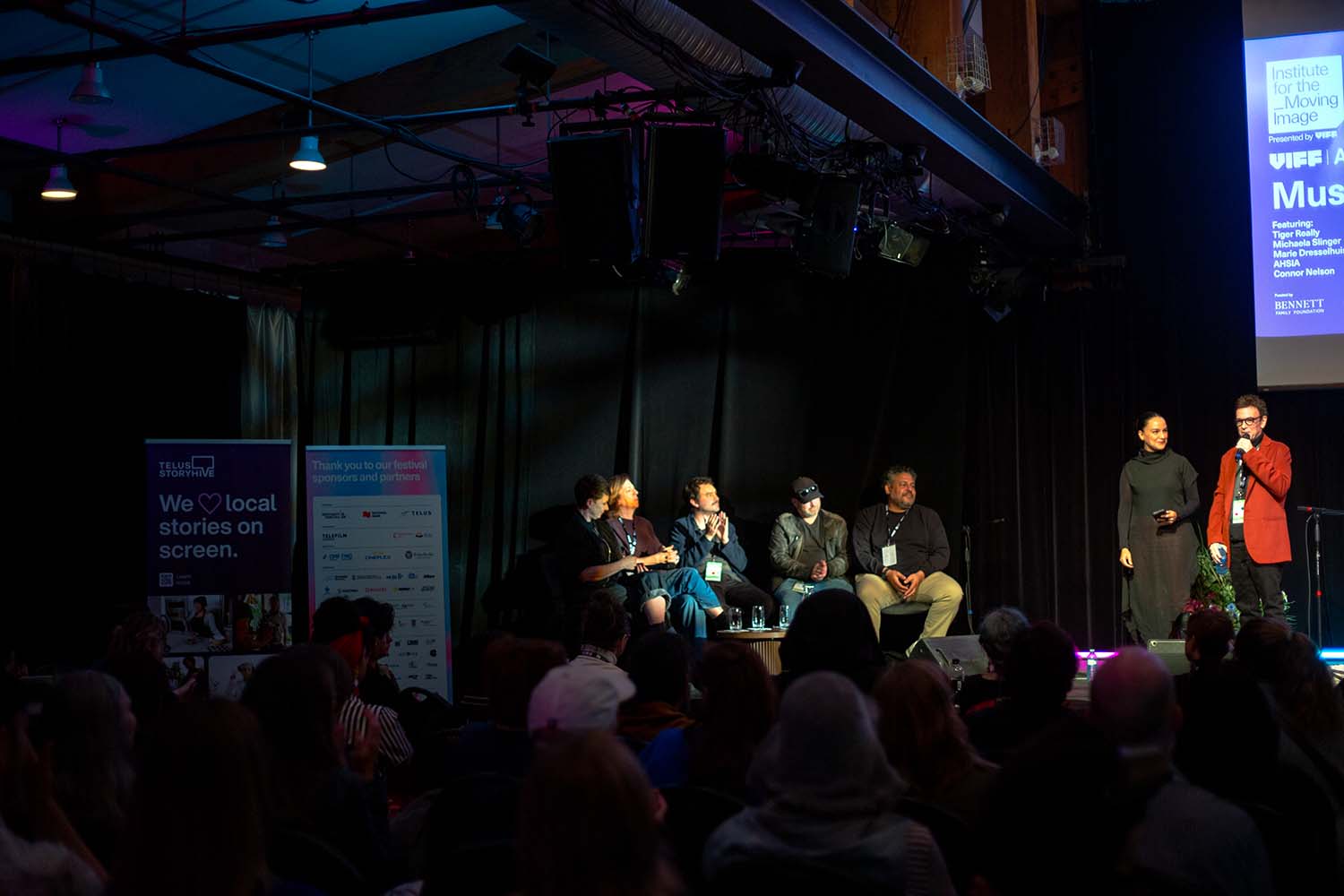
Here's who was listening:
| Music supervisor | Based in / role | Selected credits and background |
|---|---|---|
| Natasha Duprey | Vancouver | The L Word, Snowpiercer, Longlegs, Heretic, The Monkey |
| Michelle Johnson | Los Angeles | The Boys, Gen V, Cobra Kai |
| Danny Exum | Los Angeles, Head of Music at Create Advertising Group | Trailer campaigns for Sinners, The Last of Us and Rocketman |
| Héctor Vázquez | Mexico, founder of DOMO | Supervision for Netflix, Amazon and Paramount+, plus brand work for Aeroméxico, Apple and Adidas |
| Cody Partridge | President, Pear Tree Music Supervision | 200+ credits; Vice President of the Canadian Guild of Music Supervisors |
Between them, that's feature film, prestige streaming, network television, trailers, Latin American productions and global advertising. Few rooms in the country gather that much placement experience in one place for an audience of local artists.
How a song earns its place on screen
The most useful part of the evening came between sets, when the supervisors explained how they actually work. They talked about selecting music for mood first and genre second, and about how the needs of a scene shape what they listen for. Placement in a feature, an episode of a series or a 30-second commercial each calls for a different kind of song.
A few themes came up again and again over the course of the night:
- Mood and scene come first. Supervisors described matching songs to the emotional temperature of a moment, whether that's tension, release, romance or comedy.
- Format changes the brief. Film, television and advertising each have their own rhythm, length and budget, and a song that suits one may be wrong for another.
- Flexibility is valuable. A song that works stripped back as well as fully produced gives a supervisor more ways to use it.
- Relationships matter. The supervisors were candid that knowing an artist, and knowing their catalogue, makes it easier to bring them forward when the right brief arrives.
Danny Exum's perspective was a useful reminder that sync goes well beyond film and TV. His career has been built largely in trailer music, a corner of the business where a song's dynamics and build can matter as much as its lyrics.
Building local talent into the pipeline
One point stood out to me more than any other. The supervisors spoke openly about making a conscious effort to keep a share of local talent flowing into the opportunities they create. That's a meaningful commitment in an industry where the easiest path is often to reach for a familiar catalogue or a major-label track.
For BC artists, this is where events like SOUNDOFF earn their value. A submission sitting in an inbox is one thing. A live performance in a small room, followed by a conversation, is something a supervisor remembers when a brief lands six months later.
There's precedent for it, too. VIFF points to local singer-songwriter Bukola, who performed at SOUNDOFF after taking part in Amp in 2020 and 2021. Composer Natalie Holt heard her at the showcase and later hired her to record original vocals for the film The Princess.
Five artists, ten songs
Each of the five acts brought a distinct sound to the stage, which made the evening feel varied despite the shared acoustic approach. Here's a closer look at who performed.

Tiger Really
Tiger Really is a Vancouver indie-rock band, and translating that energy into a quieter setting is a real test. It's also exactly the kind of exercise that shows a supervisor whether a song can serve both a driving montage and a softer scene.
Michaela Slinger
A Vancouver singer-songwriter, Slinger has drawn comparisons to Maggie Rogers, Joni Mitchell and Lorde, and is known for pairing power and softness in her vocals. That range is well suited to sync, where a single vocal often has to carry an entire scene.
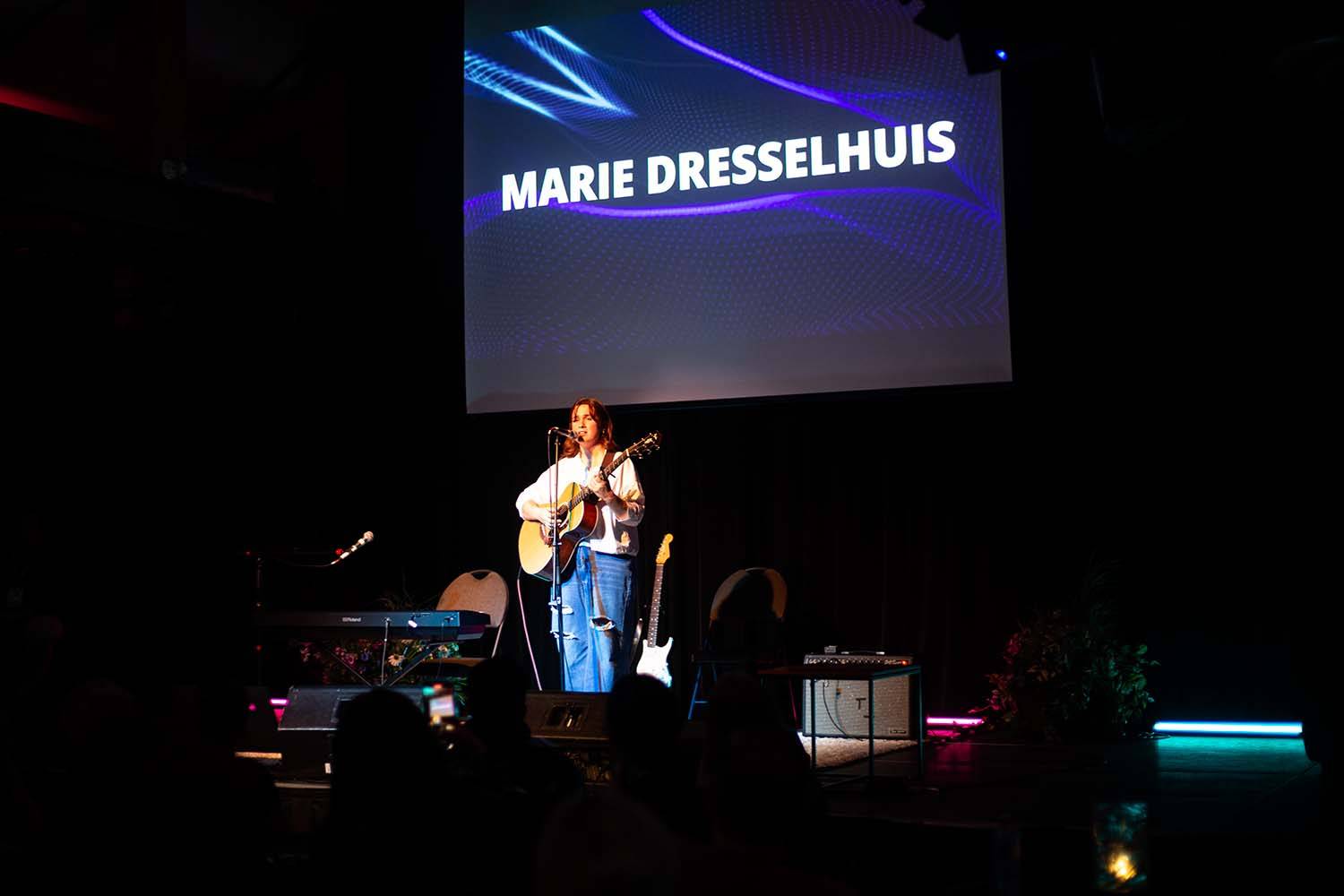
Marie Dresselhuis
A Vancouver-born classical pianist turned songwriter, Dresselhuis released her debut album, A Little Quiet At First, in May 2025. The record explores grief, growth and restoration. Her storytelling-driven writing naturally fits the intimate format SOUNDOFF favours.
AHSIA
Philadelphia-born and Vancouver-raised, AHSIA is a singer, songwriter, producer, poet and educator whose sound blends soul, R&B and hip-hop with touches of jazz. She has received a Western Canadian Music Awards nomination for R&B Artist of the Year and has passed a million streams across platforms.
Connor Nelson
Nelson arrived with sync experience already on his résumé. His music was featured in Netflix's Ginny & Georgia, which led to Shazam chart placements in eight countries, and he has since released his debut EP, Red Mountain Light. His set was a good illustration of what a placement can do for an emerging artist's reach.
What the stripped-down format revealed
The acoustic approach turned out to be the evening's quiet thesis. When production is removed, the core of a song is exposed. Either the melody and lyric hold the room or they don't.
That matters for sync because supervisors frequently need alternate versions. An instrumental, a slowed take or a sparse arrangement can fit a scene that a full mix would overwhelm. Artists who can deliver those versions, and who understand why they're needed, are easier to work with. Several of the evening's performers showed they could.
Where the music goes from here
SOUNDOFF works because it puts the right people in the same small room. Five artists played ten songs for five supervisors whose combined credits span prestige television, horror cinema, blockbuster trailers and global advertising campaigns. The supervisors in turn gave the audience a rare, unvarnished look at how they choose music, what they listen for and why they make space for local voices in their pipelines.
What I'll remember most is how much the format revealed. Stripped of production, the songs had to stand on their own, and the conversation that followed was more useful for it. For BC artists hoping to reach the screen, the lessons were concrete and actionable. For anyone curious about the invisible work behind a film or series soundtrack, it was a reminder that every great placement starts with someone in a room, listening closely.